Work permit reform enacts new restrictions on foreign employment in key professions
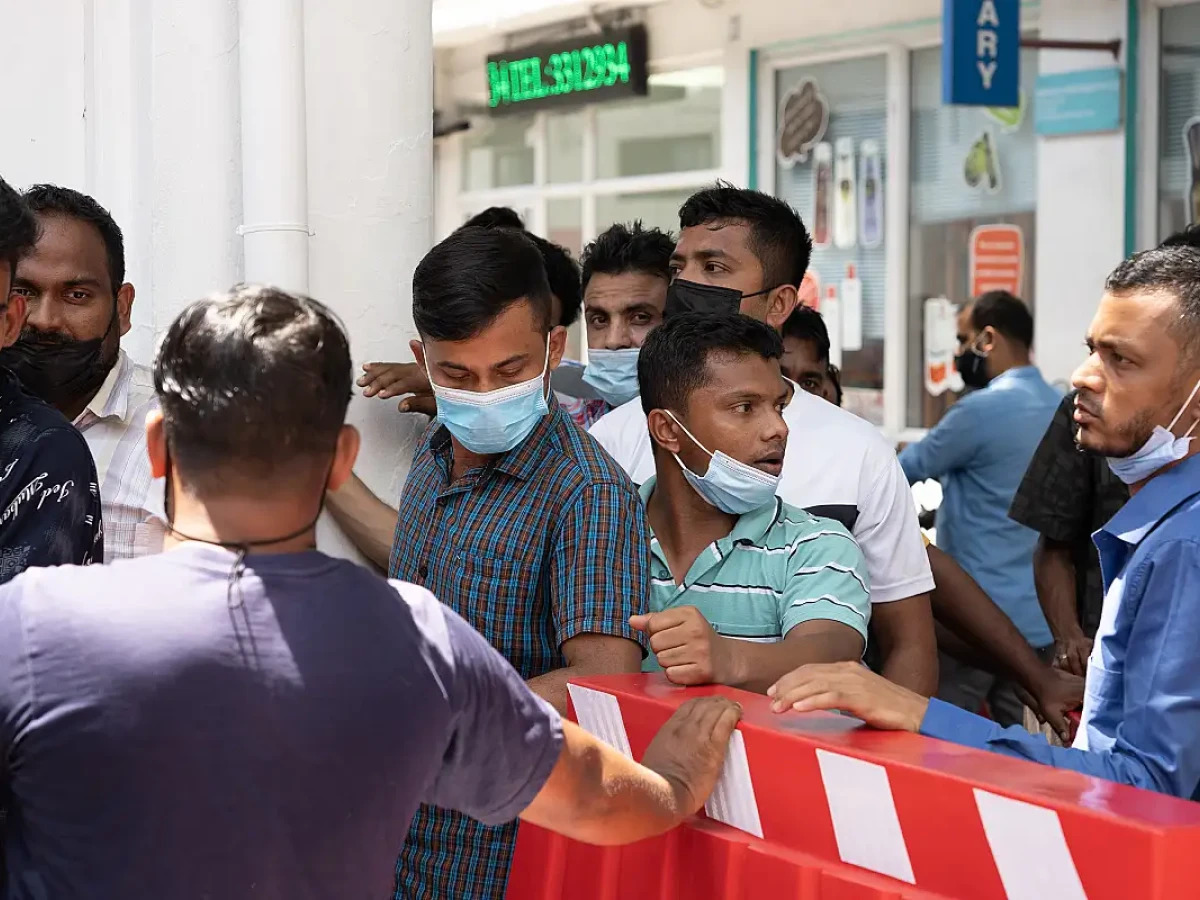
Maldives government has introduced changes to its foreign employment policies, effectively ending work permit eligibility for foreigners in several professional fields, including nursing, teaching, beauty services, and pilots.
The new amendments, published in the government gazette by the Ministry of Homeland Security, mark a significant shift in the regulation of foreign labor within the country.
The updated policy designates certain occupations for which work visas will no longer be granted to foreign nationals, while also restricting courts from issuing related orders moving forward. The reform was approved by the Cabinet and took effect from the date of publication.
Under the revised timeline, work quotas for specific jobs will be phased out over the coming years.
Within two years, foreigners will no longer be able to hold work permits for roles such as hairdresser, beautician, babysitter, personal trainer, electrician, guest relations officer (English), tour guide, accountant, and imam.
Three years from now, quotas will also be withdrawn for divers, nurses, building inspectors, surveyors, site supervisors, and pilots.
The reform continues in later phases, with quotas for electrical engineers and dive instructors set to be revoked after four years, followed by housekeeping managers, human resource managers, front office managers, and primary and secondary school teachers within five years.
According to the government, the changes are part of a broader reform strategy aimed at addressing issues arising from undocumented foreign labor.
An ongoing national operation seeks to deport undocumented migrants and collect biometric data from all foreign workers residing in the Maldives.
As of now, the biometrics of 191,723 foreign workers have been recorded, with enforcement measures planned for those who remain unregistered.
These amendments represent one of the most extensive overhauls to the Maldivian foreign employment system in recent years, signaling a shift toward prioritizing local workforce participation and tightening immigration control mechanisms.

Advertisement