Maldives proposes new legal framework for leasing lagoons and islands
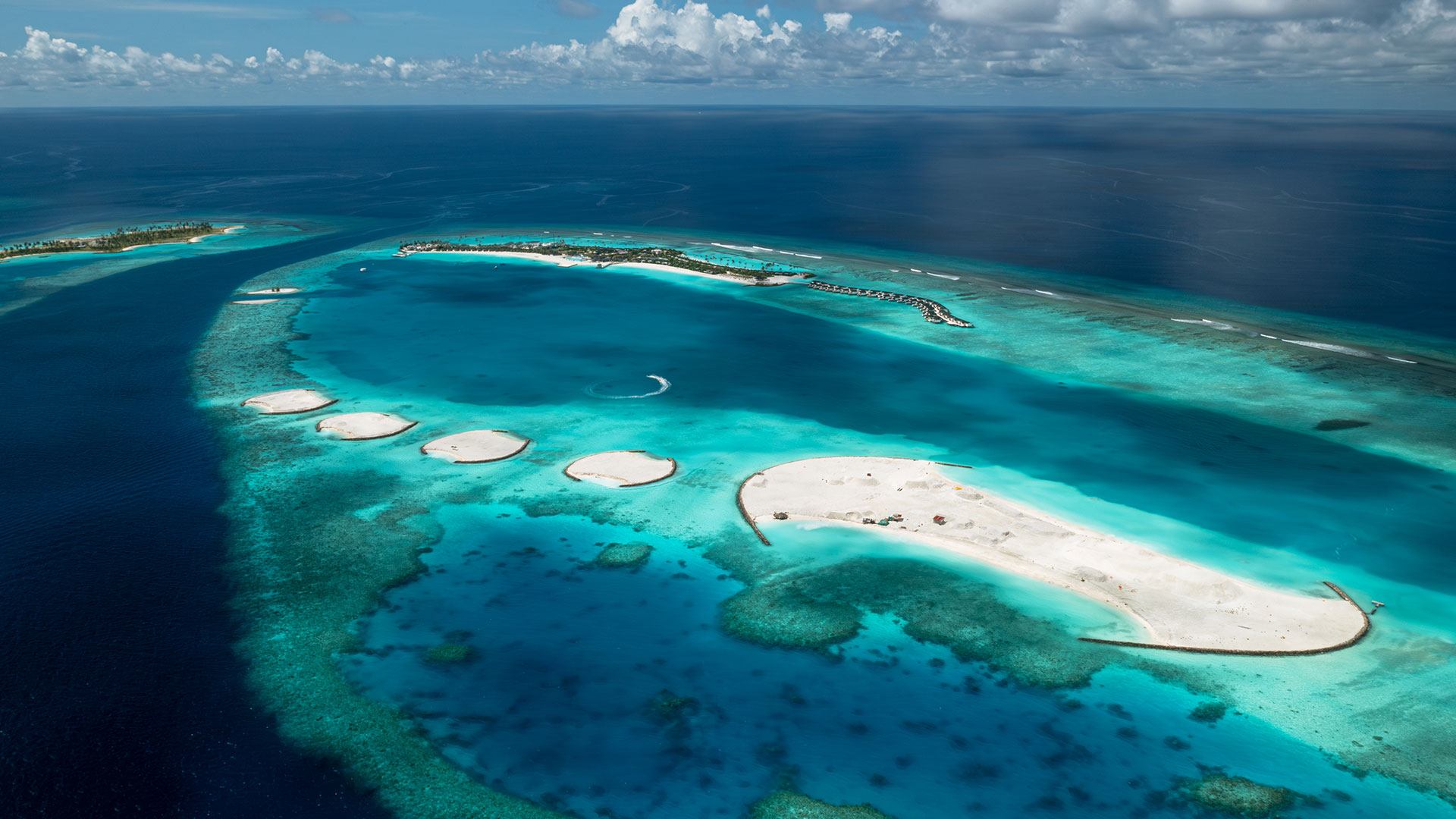
The government has introduced legislation to replace the longstanding Uninhabited Islands Act with a new legal framework aimed at reforming the designation, leasing, and management of lagoons and uninhabited islands across the Maldives.
The proposed Lagoons and Uninhabited Islands Lease Bill, submitted to Parliament by ruling party MP Saudullah Hilmy of Thinadhoo North, outlines updated rules governing the use of these areas while expanding opportunities for investment and development.
Under the bill, the President would have the authority to designate lagoons and uninhabited islands for a wide range of purposes, including tourism, fisheries, agriculture, industry, economic and social development, government functions, and other uses permitted under existing laws.
The proposal also introduces a new management structure.
Islands designated for tourism and industrial projects would be leased directly by the government, while local island councils would oversee the leasing and administration of other uninhabited islands within their jurisdictions.
Responsibility for leasing lagoons would rest with the relevant government ministry.
The legislation allows both local and foreign investors to lease designated islands.
Commercial leases would be available to Maldivian citizens, registered businesses, partnerships, and foreign companies registered in the Maldives.
Islands could also be allocated for projects such as aquaculture, medium- and large-scale industries, and economic ventures requiring a minimum investment of USD 64,850.
The bill proposes lease terms of up to 21 years for islands with designated uses, with extensions allowing a maximum tenure of 50 years.
Islands without a designated purpose could be leased for an initial period of up to five years, with additional five-year renewals.
Acquisition fees would be determined by the Ministry of Finance, while rental rates would be governed under the new law.
Existing lease agreements would remain valid, although most provisions of the new legislation would apply except those relating to rent and maintenance.
The bill also introduces stricter enforcement measures, including fines of up to USD 32,425 for illegal activities on leased islands and penalties of up to USD 64,850 for violations of the proposed law.

Advertisement