Increasing state stake in Dhiraagu would waste public funds: Nasheed
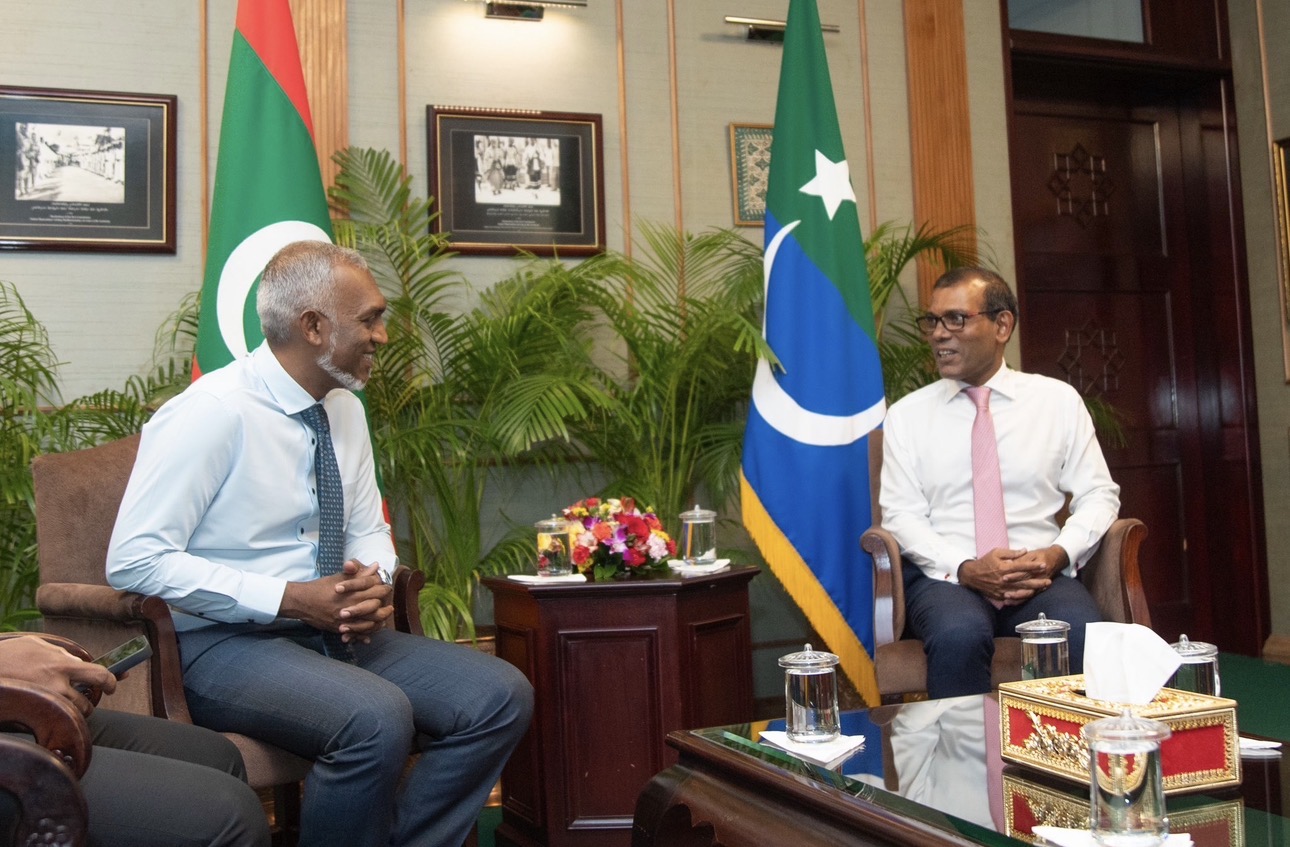
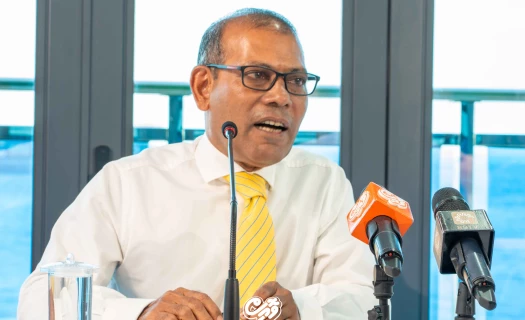
Former President Mohamed Nasheed has opposed increasing the government’s shareholding in Dhiraagu, arguing that the telecommunications company has remained independent of political influence because it operates under a privatized ownership structure.
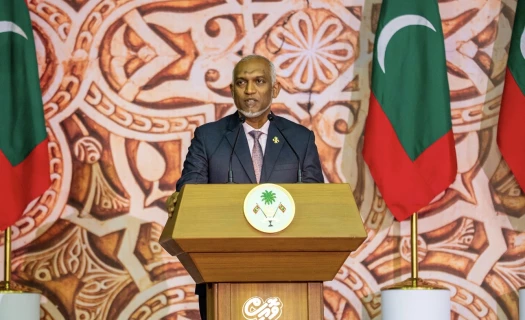
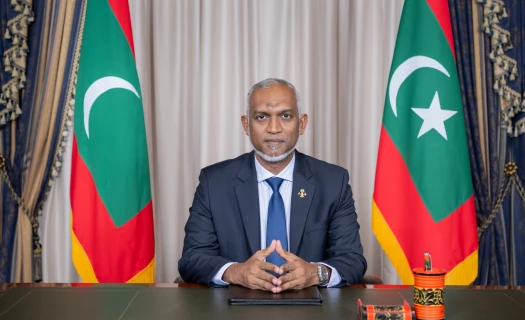
Nasheed’s comments came after President Dr. Mohamed Muizzu said during a press conference that Dhiraagu remains an important strategic asset and that regaining majority government control would serve the public interest.
Dhiraagu was originally established with the Government of Maldives holding a 55 percent stake and UK-based Cable & Wireless owning the remaining 45 percent.
In 2009, the government sold seven percent of its shares to Cable & Wireless for USD 40 million, reducing the state’s ownership to 48 percent.
A further 6.2 percent stake was sold to the public in 2011, after which Dhiraagu became a public limited company.
In a social media post, Nasheed said Dhiraagu is among the few major companies in the Maldives that operates without significant political interference because the government does not hold a controlling stake.
He argued that the company’s existing structure, with private-sector management and the government remaining a minority shareholder, provides an appropriate model for an efficient telecommunications operator.
Nasheed also warned that increasing the state’s ownership would be an unnecessary use of public funds, particularly when several state-owned enterprises are facing financial difficulties and struggling to generate profits.
He said expanding government control could expose Dhiraagu to problems commonly associated with some state-owned companies, including political appointments, excessive staffing, patronage, and inefficient management.
According to Nasheed, bringing a profitable and successful private-sector company under greater government control could weaken its independence and increase the risk of political interference.
His remarks reflect a broader debate over privatization and state ownership, as the government considers whether regaining majority control of Dhiraagu would provide strategic benefits or create additional financial and administrative burdens for the state.

Advertisement