Reviewing and critiquing government policies is key opposition duty: Nasheed

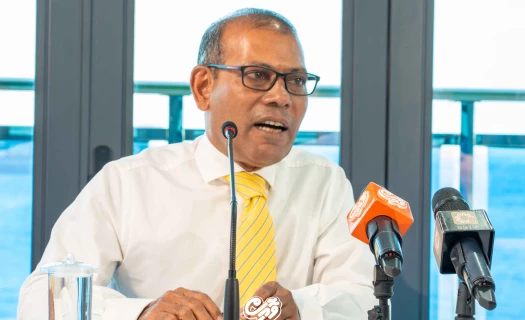
Former President Mohamed Nasheed has underscored that a key responsibility of opposition parties is to scrutinize and critique the government’s domestic and foreign policies, amid a response from the Ministry of Foreign Affairs calling for caution in public commentary on international matters.
Nasheed made the remarks in a post on X (formerly Twitter), responding to a statement issued by the Ministry following comments he made during a recent visit to India to attend 10th Indian Ocean Dialogue.
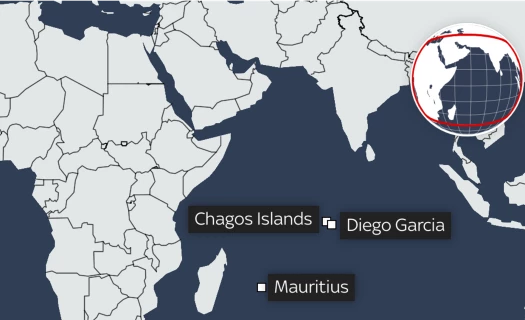
Giving an interview post visit, he made comments on the Maldives’ national debt, foreign policy direction, and noted that Mauritius remains open to dialogue despite the current suspension of diplomatic relations between the two countries.
Emphasizing democratic accountability, Nasheed stated that the Maldives “belongs to all its citizens” and is not the sole domain of the current administration.
The Maldives belongs to all its citizens. It is not the exclusive domain of President Dr. Mohamed Muizzu’s government, which currently holds less than 30 percent support
He added
He further asserted that the government must act responsibly in managing financial assistance and loans extended by partner nations.
His post was in response to the statement by Ministry of Foreign Affairs where it urged individuals who have previously held senior state positions to exercise prudence and discretion when addressing matters related to foreign policy and international relations.
The Ministry also highlighted the importance of maintaining constructive engagement with bilateral and multilateral partners, adding that foreign policy decisions are conducted through established institutional processes based on mutual respect and national priorities.
It further stressed that public statements on foreign policy particularly by individuals who have held high public office carry significant implications.
Such remarks, the Ministry noted, should contribute to informed public discourse, national unity, and confidence in state institutions.

Advertisement