BML moves to stop third-party debit card use abroad
The Bank of Maldives (BML) has announced a series of new measures aimed at preventing the misuse of debit cards overseas, particularly in cases where cards are used by individuals other than their rightful owners.
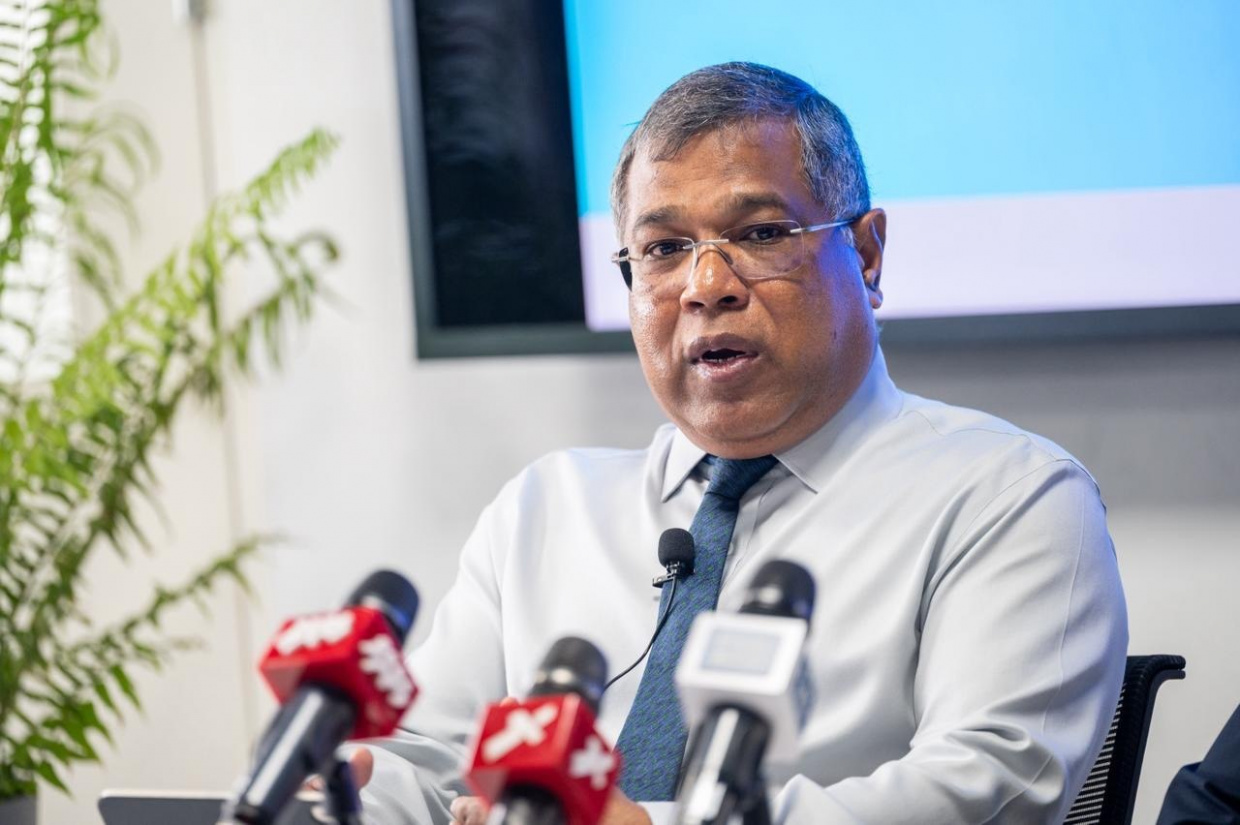
Speaking at a press conference on Sunday, BML Chief Executive Officer Mohamed Shareef said the bank is revising key service policies to safeguard the long-term sustainability of its operations.
As part of these changes, the bank will block international ATM withdrawals and point-of-sale (POS) transactions conducted using debit cards carried abroad by third parties.
Shareef noted that such transactions place a significant strain on the bank’s foreign currency reserves, as the outflow of US dollars far exceeds incoming foreign currency.
He stressed that this imbalance has made it increasingly difficult for the bank to meet the needs of genuine customers.
Some individuals travel with other people’s cards to withdraw cash from ATMs and conduct business transactions. These activities will now be stopped
Shareef stated
adding that the move is intended to ensure a fairer distribution of financial resources among citizens.
The decision follows a recently signed Memorandum of Understanding (MoU) between BML and Maldives Immigration, under which efforts to monitor and control such practices will be strengthened.
In a related development, Shareef announced plans to introduce a dedicated debit card for Maldivian students studying abroad.
The new card will allow students to access funds independently, reducing reliance on cards issued to their parents.
Each student card will carry a monthly limit of USD 1,200.
Additionally, BML will introduce restrictions on e-commerce usage, limiting online transactions to a maximum of 30 per month under the new policy framework.
Despite these changes, Shareef clarified that debit cards linked to US dollar accounts will not be subject to transaction limits.

Advertisement