Power cuts and reduction in transport may be needed to conserve fuel: Nasheed
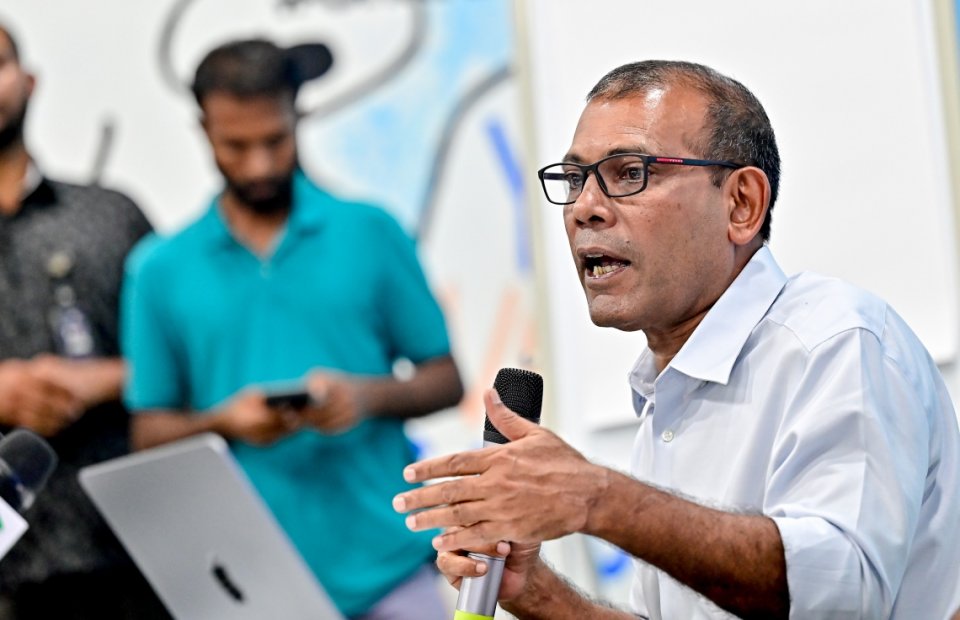
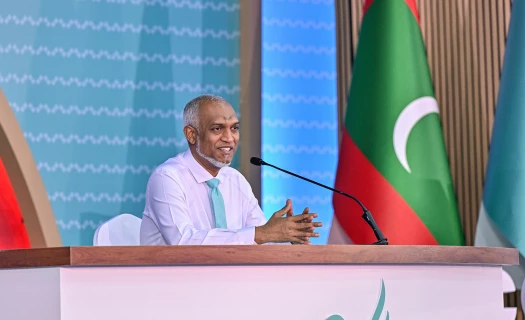
Former President Mohamed Nasheed has cautioned that the Maldives could face a significant fuel shortage if global oil prices continue to rise, urging authorities to prepare contingency measures including power cuts, reduced transport activity and shorter operating hours for public institutions.
His remarks come as international oil markets experience sharp volatility following the escalation of tensions between the United States and Israel with Iran, a development that has disrupted supply routes and pushed fuel prices higher across the world.
Reports indicate that more than 85 countries have already seen noticeable increases in fuel costs.
The pressure has also been felt domestically, on May 5, Fuel Supplies Maldives (FSM) raised the retail prices of both diesel and petrol by between 18 and 26 percent.
In a post shared on X, Nasheed said that the Maldives currently has a combined storage capacity of roughly 70 million litres of diesel and 25 million litres of petrol across both STO facilities and private sector reserves.
Based on national consumption levels, he estimated that these stocks would last for approximately 20 days.
He suggested that the government begin preparing immediately to conserve available fuel supplies and manage potential disruptions.
Among the measures he proposed were identifying fuel reserves held by private companies, introducing scheduled power outages to curb electricity consumption, and placing limits on land transport.
Nasheed also recommended reducing operating hours for government offices and schools, scaling back public and social events, and ensuring that available fuel is prioritised for key sectors such as fisheries, tourism resorts and aviation.
In addition, he called for adjustments to international transport routes, advising authorities to consider rerouting air and sea traffic away from West Asian corridors and to explore alternative supply chains for fuel imports.
Shortly after the conflict began, Economic Minister Ahmed Saeed said the Maldives would continue receiving essential goods without disruption, speaking on March 3, he stated that the country was not expected to face shortages of oil or gas.
However, oil prices have continued to rise since then, to shield consumers from further price increases, the government has opted to keep domestic fuel prices unchanged by using anticipated profits from STO along with existing fuel subsidies.
Authorities have also approached India for assistance in securing additional fuel supplies.
The situation remains under close watch as global markets respond to the evolving geopolitical tensions.

Advertisement