Government tightens restrictions on single-use plastics
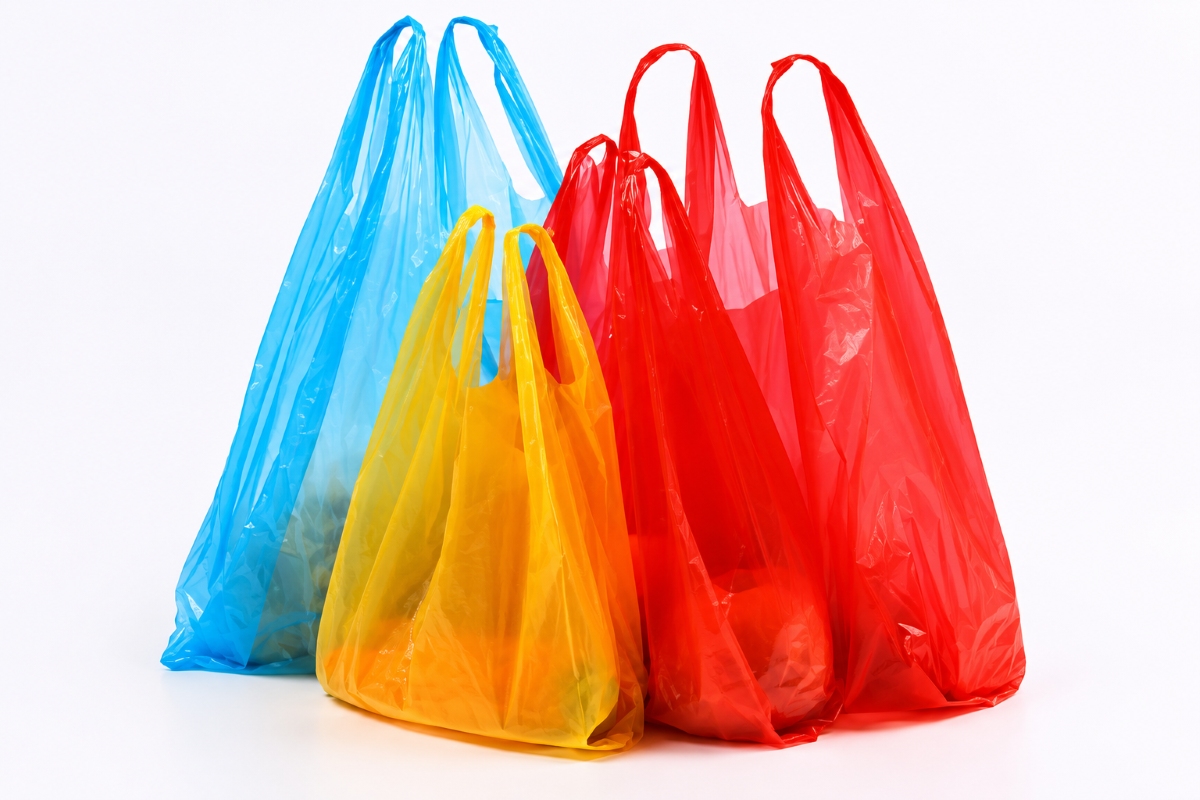
The government has introduced new regulations to strengthen the enforcement of restrictions on single-use plastics as part of ongoing efforts to reduce pollution and protect the environment.
Plastic waste remains a major environmental challenge for the country, affecting marine ecosystems, natural habitats, and public health.
In response, the government has continued to expand measures aimed at reducing the use of disposable plastic products.
The ban on selected single-use plastics was first introduced in 2022 under the administration of former President Ibrahim Mohamed Solih, covering 13 types of plastic products.
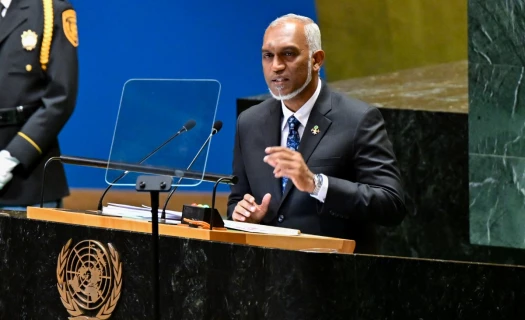
In 2023, President Dr Mohamed Muizzu expanded the list by adding betel nut (supari) packets, except for individually foil-wrapped products, bringing the total number of prohibited items to 14.
Subsequently, the deadline for banning the local production of water bottles smaller than one liter has been extended to 2027, with a ban on their market distribution set for 2028.
The Ministry of Climate Change, Environment and Energy has now published the Regulation on Reducing Single-Use Plastics, which sets out penalties for those who import, manufacture, sell, or use banned products.
According to the recent regulations, the use of small plastic bags measuring less than 30 centimeters is prohibited.
Consequently, upon the implementation of this regulation in September of this year, the use of such single-use plastic bags for retail purposes will be strictly banned.
First-time offenders will receive a warning.
Those who commit a second violation may face fines of up to MVR 150 per prohibited item, depending on the quantity involved.
The maximum penalty under the regulation is capped at MVR 100,000.
The government is actively working to eliminate the use of single-use plastics across the Maldives.
Efforts are also underway to introduce sustainable alternatives to the market to replace these plastic products.
Given that exposure to plastics is linked to numerous serious health risks, it is imperative for individuals to take personal responsibility and transition away from plastic use to ensure their well-being.

Advertisement