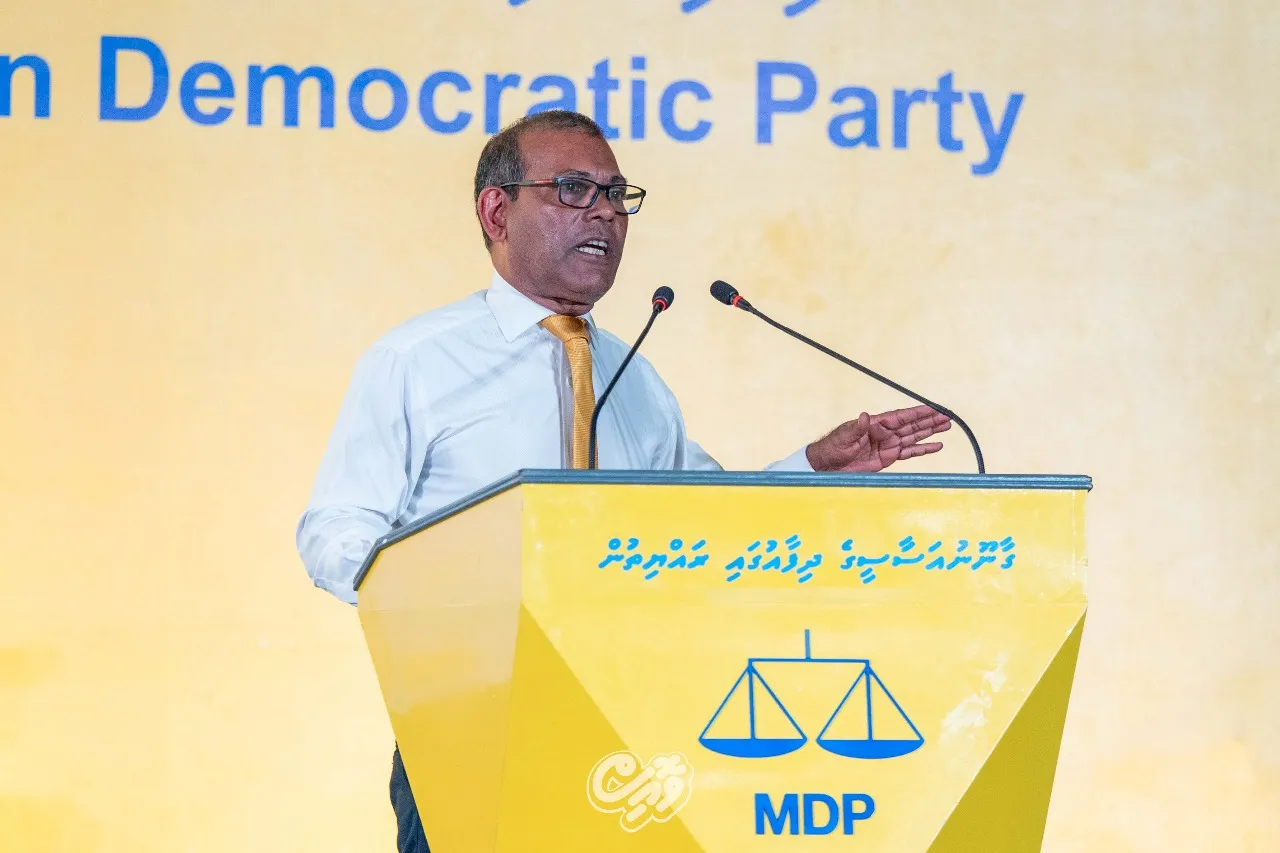
Former President and Maldivian Democratic Party (MDP) Chairperson Mohamed Nasheed has criticised what he described as the party's growing embrace of "xenophobic and ultra nationalistic rhetoric", warning that the shift risks undermining the political identity and values on which the party was founded.
Former President and Maldivian Democratic Party (MDP) Chairperson Mohamed Nasheed has criticised what he described as the party's growing embrace of "xenophobic and ultra nationalistic rhetoric", warning that the shift risks undermining the political identity and values on which the party was founded.
In a post on X, Nasheed expressed serious concern over the MDP's recent political direction, saying the party appeared increasingly willing to abandon its traditional commitment to openness, pluralism and democratic reform.
The recent trajectory of the MDP is cause for serious concern. We once championed openness, pluralism, and democratic reform. Now we appear increasingly willing to embrace xenophobic and ultra nationalistic rhetoric
Nasheed argued that some within the party appeared to believe that electoral success could be achieved by generating public outrage and mobilising support through fear and division.
He warned that such an approach could alienate the party's traditional support base, particularly voters who identify with multiculturalism, liberalism and open-minded political values.
Nasheed also recalled the MDP's campaign slogan, "Birakaa Nulaa Majaa Kurun" (enjoying without fear) saying the message had helped broaden the party's appeal and attracted an estimated 20,000 additional votes without significantly alienating other voters.
Criticising the use of religion as a political tool, Nasheed also rejected narratives suggesting that "Zionists are taking over the country", describing such claims as baseless and damaging to public discourse.
The MDP stands at a crossroads. If it continues down this path, it risks eroding its identity and forfeiting the values that once distinguished it
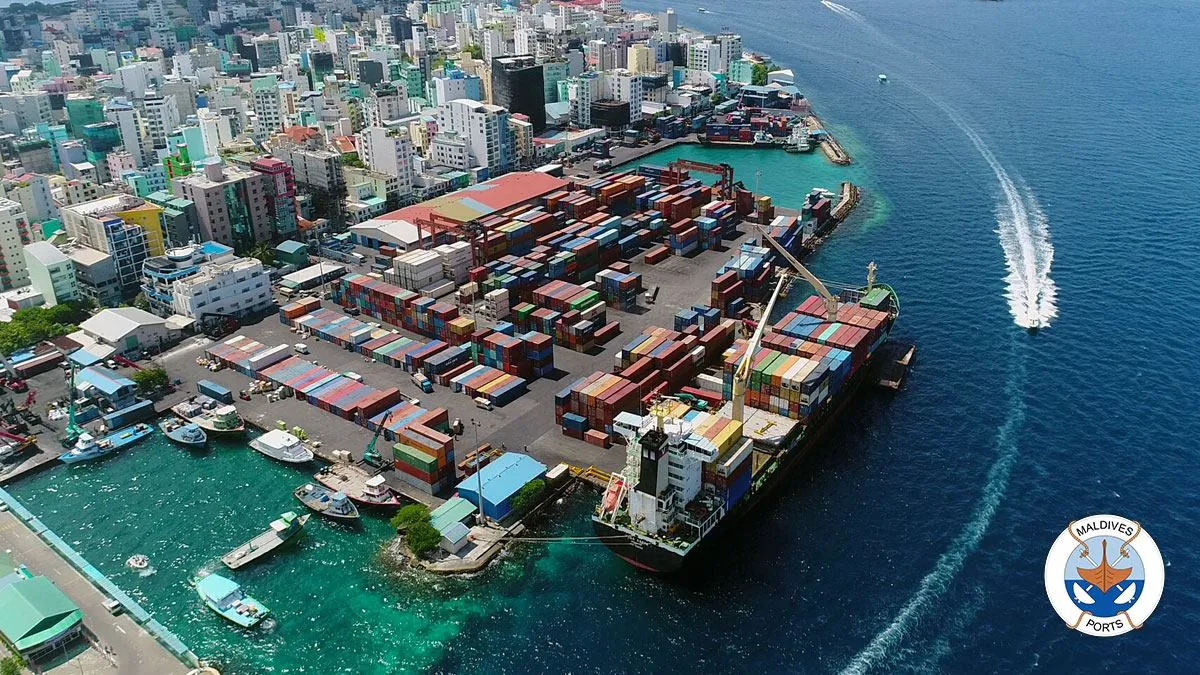
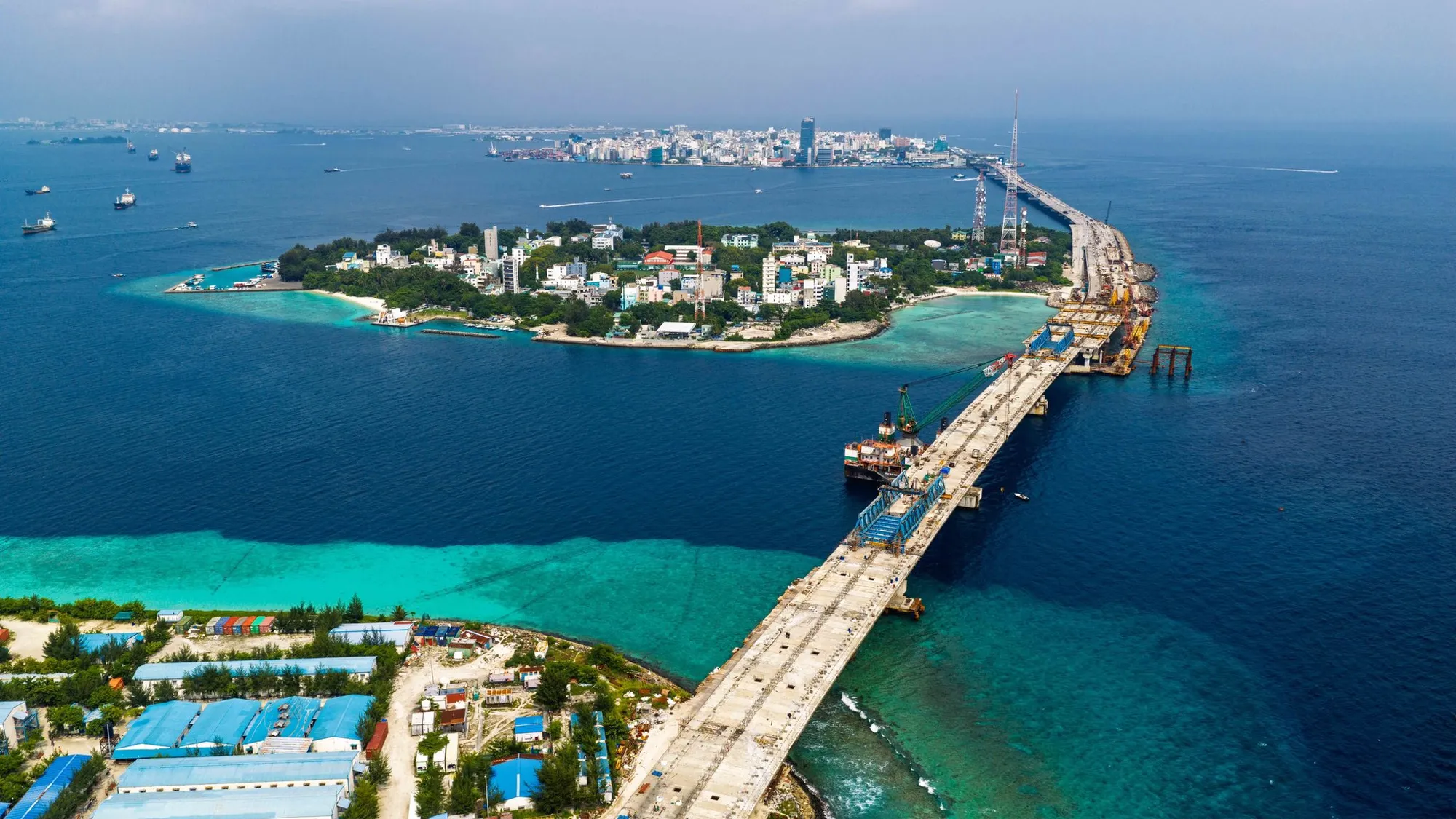
Nasheed's remarks come amid growing disagreements within the MDP over the party's response to the government's proposed Ras Malé development project with UAE-based developer Eagle Hills.
The project has exposed differing positions within the opposition party, with several senior figures and National Council members raising concerns over the terms of the proposed agreement and its implications for national sovereignty and foreign ownership of land.
MDP MP Meekail Ahmed Naseem has been among the vocal critics of the project.
He previously warned that Maldivians risk becoming "second-class citizens in their own land", raising concerns over the proposed allocation of Maldivian land to a foreign developer.
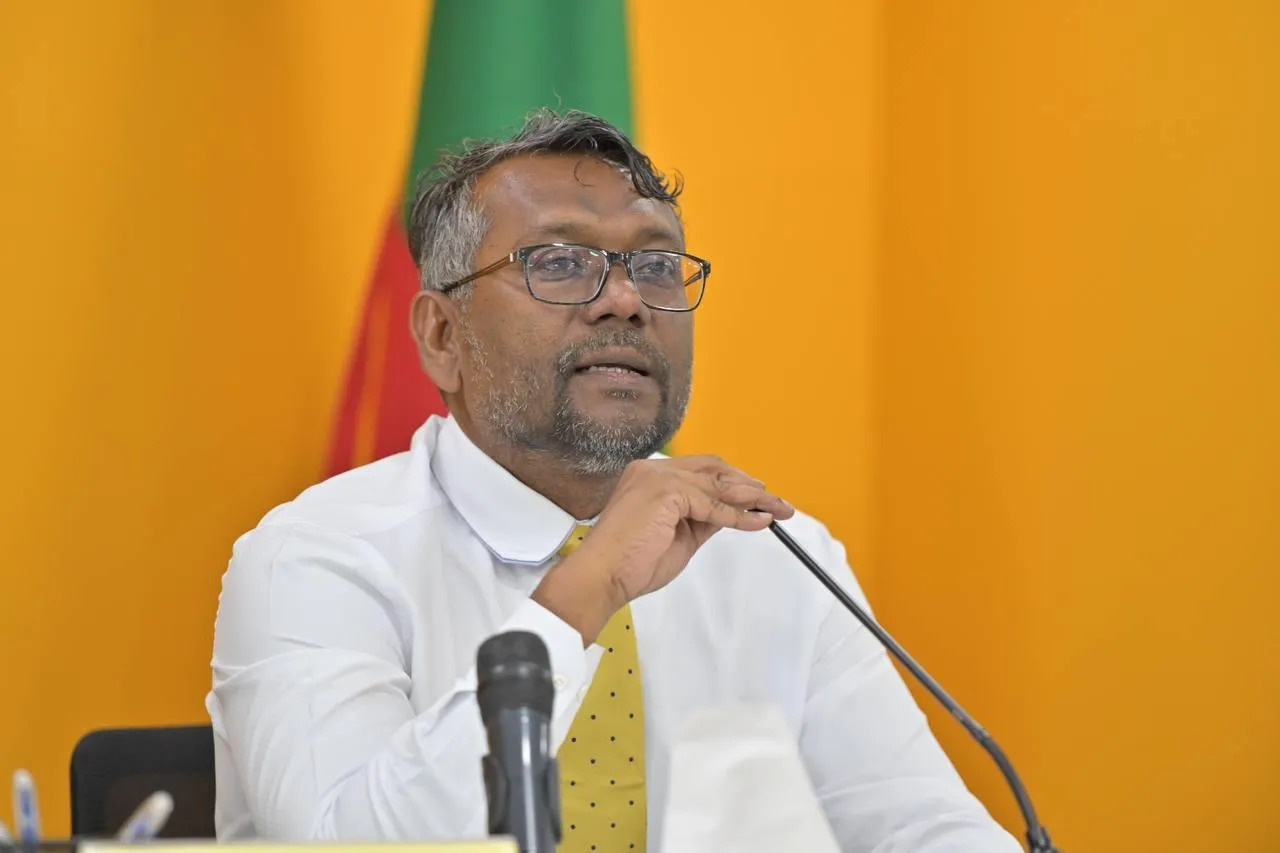
Former President Ibrahim Mohamed Solih has also questioned the terms of the agreement, particularly the proposed permanent allocation of land without an acquisition cost, the use of public funds for reclamation and the potential financial obligations the arrangement could place on the State.
Fayyaz Ismail, another former MDP chairperson, has said an MDP administration would revoke the agreement if the project proceeds without public consultation and consent.
He has stressed that his objections are not directed at foreign investment or the UAE, but at the terms of the proposed arrangement.
Nasheed, however, has advised party members against actively opposing the development, saying the MDP should maintain the position outlined in its earlier statement.
More than 60 members of the MDP National Council have called for an emergency meeting to discuss the party's official position and possible course of action regarding the development.
In its earlier statement, the MDP welcomed foreign investment but called for greater transparency, including the publication of the full agreement and details of its duration, financial obligations, concessions and the developer's commitments.
The party also called for public consultation, including a possible referendum.
The government signed a Commercial Terms Agreement with Eagle Hills on September 21 for the development of approximately 500 hectares of reclaimed land at Fushidhiggaru Falhu.
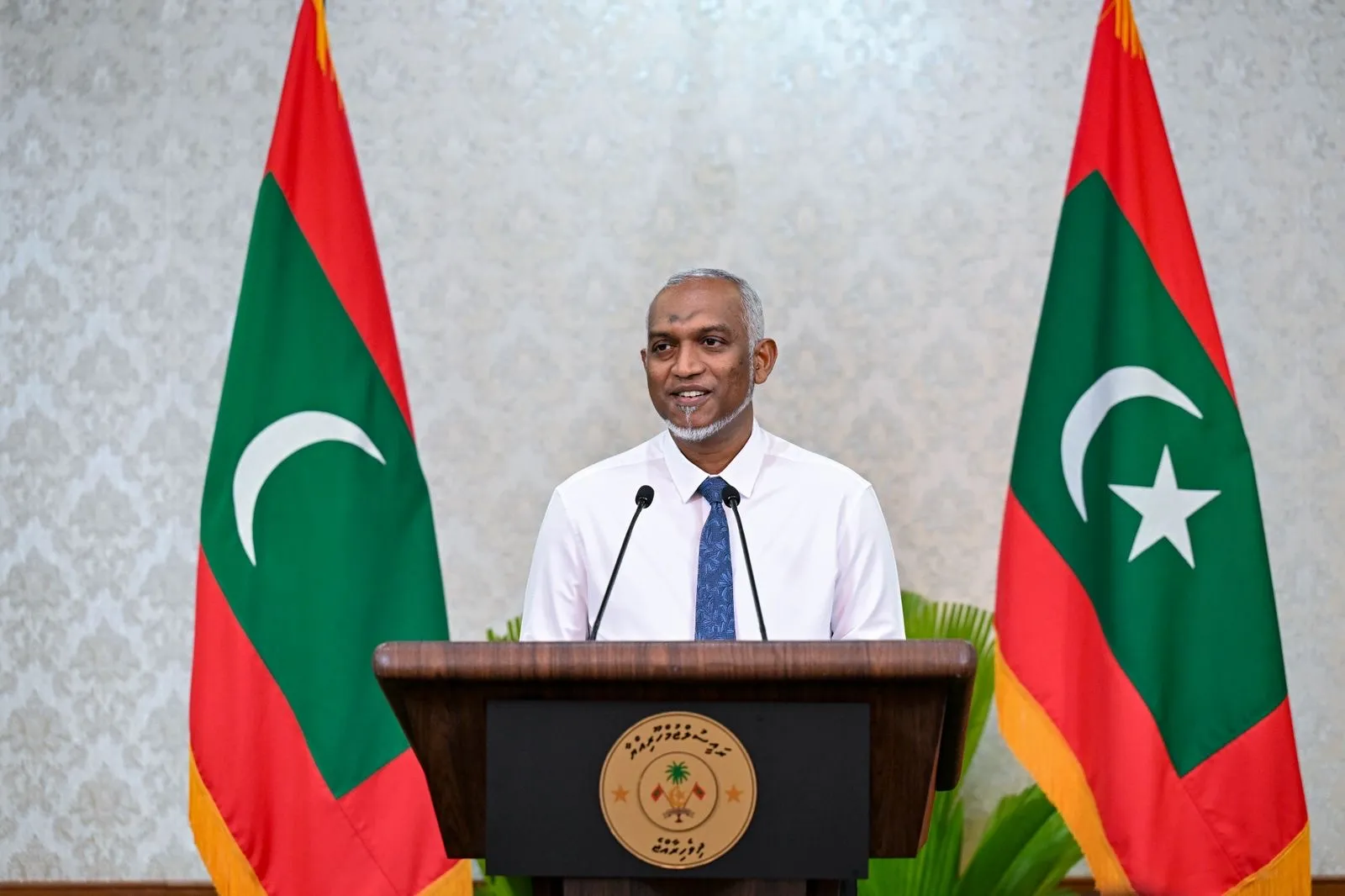
President Dr Mohamed Muizzu has defended the project, maintaining that it would be implemented within the country's legal framework and would not compromise national sovereignty, independence or Islamic values.
Leave a comment
Comments
No comments yet. Be the first to comment!