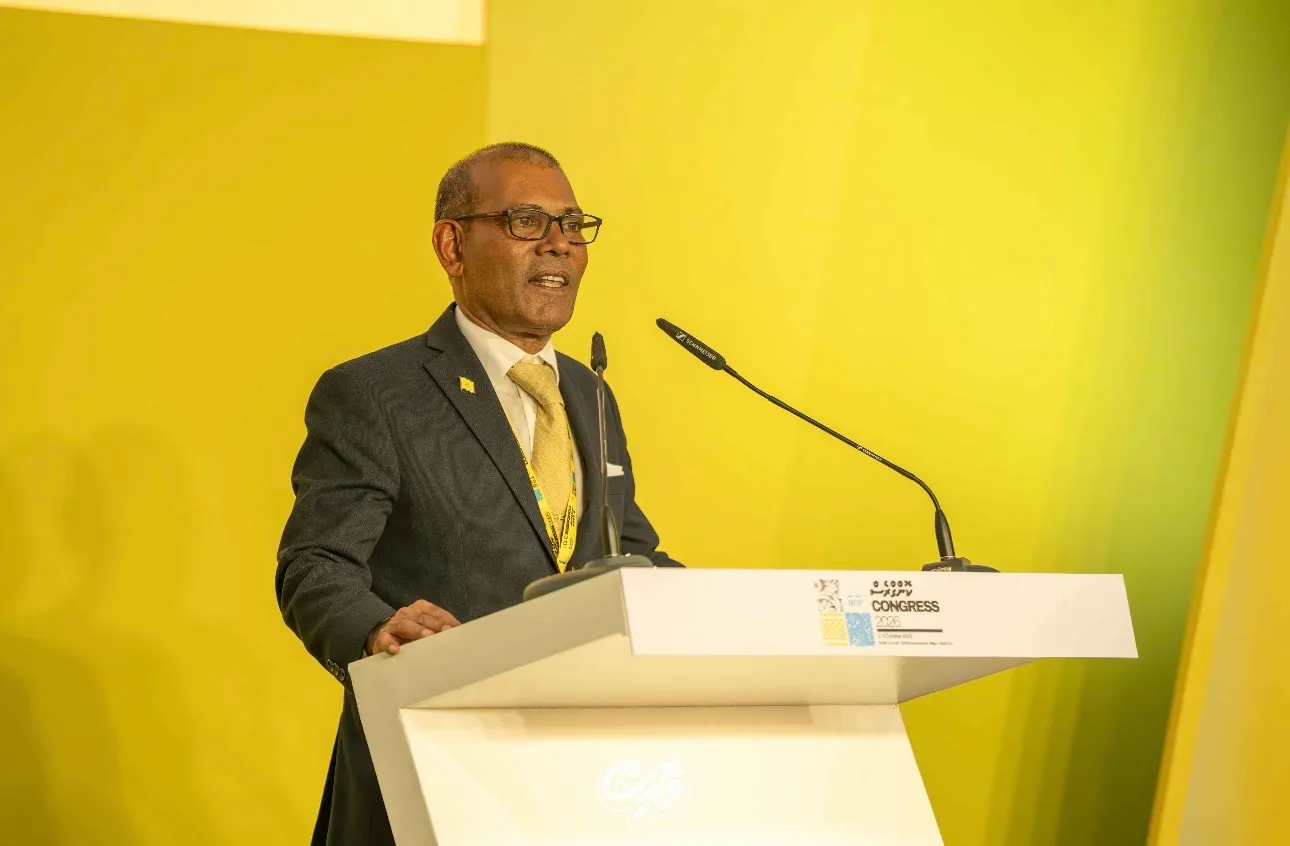
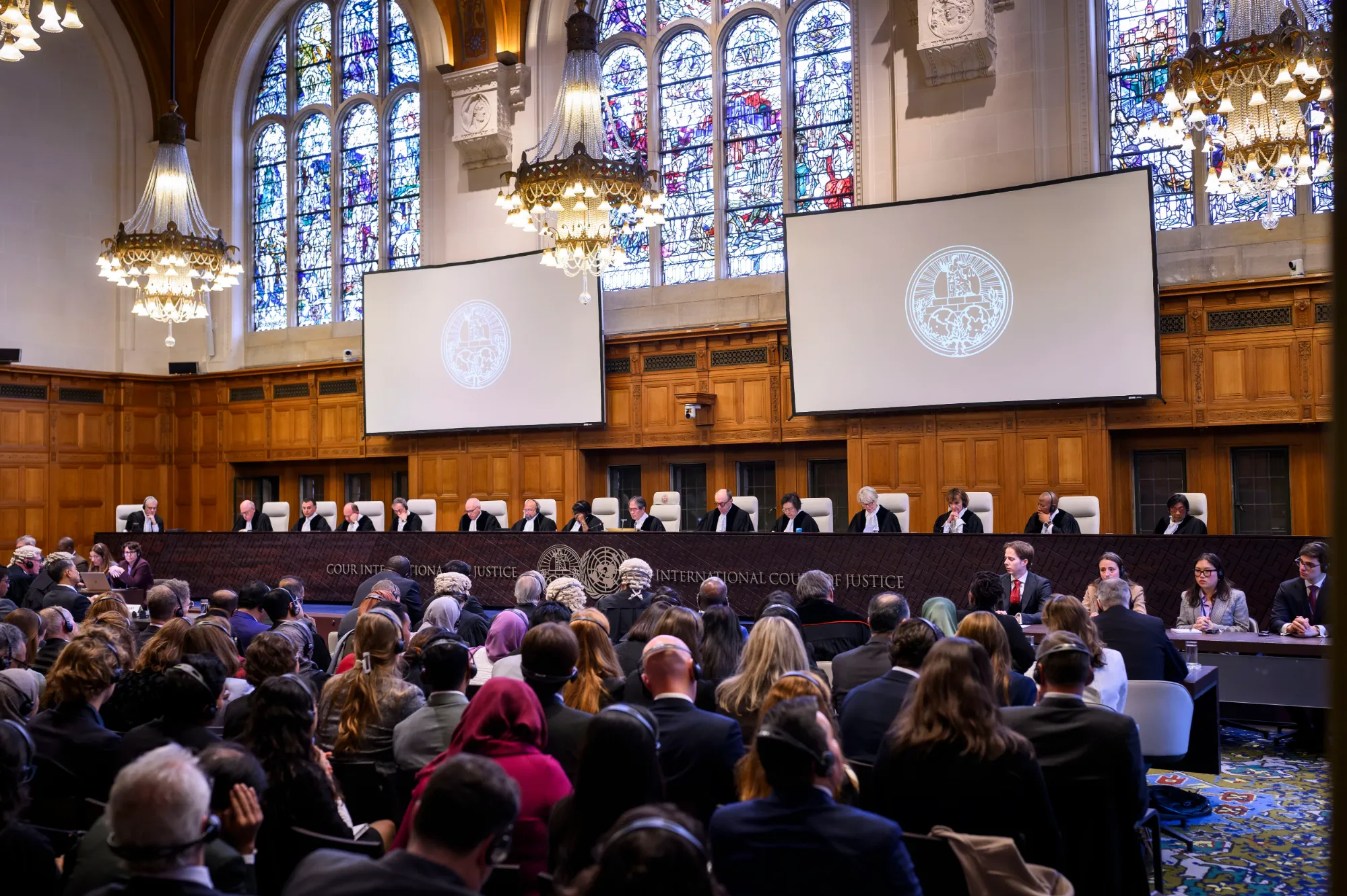
President Dr Mohamed Muizzu welcomed the International Court of Justice’s (ICJ) ruling on Thursday, 19 November, that Myanmar committed genocide against the Rohingya and failed to prevent and punish it.
In a post on X, President Dr Muizzu described the judgment in The Gambia v. Myanmar as an important step in upholding the Genocide Convention.
He said the ruling underscored the court’s role in holding states to their international legal obligations and advancing accountability through peaceful legal proceedings.
President noted that the Maldives was among the 11 countries that intervened in the case and reaffirmed its commitment to international efforts to prevent genocide.
He called on governments to work together to prevent such atrocities, hold those responsible to account, and secure justice for victims.
The Gambia brought the case in November 2019, alleging that Myanmar had breached the Genocide Convention in its treatment of the Rohingya.
The case followed a military crackdown in Myanmar’s Rakhine State in 2017 that forced more than 700,000 Rohingya to flee to neighbouring Bangladesh.
The Maldives filed its declaration of intervention in November 2023 to present its interpretation of the convention.
The judgment concerns Myanmar’s responsibility as a state, rather than the criminal guilt of individual officials.
The court ordered Myanmar to investigate suspected perpetrators and prosecute them where warranted, take steps to allow displaced Rohingya to return safely and voluntarily, and compensate those harmed.
The judgment is binding on both parties and cannot be appealed, but the court will determine the amount and terms of compensation at a later stage.
Leave a comment
Comments
No comments yet. Be the first to comment!