Rising workplace heat linked to climate change could cost the Maldives nearly USD 1.7 billion in economic output annually by 2060, according to a study published by the International Labour Organization (ILO).
Rising workplace heat linked to climate change could cost the Maldives nearly USD 1.7 billion in economic output annually by 2060, according to a study published by the International Labour Organization (ILO).
The projected loss, equivalent to about 10.5 percent of the country’s projected GDP, falls under the study’s very high-emissions scenario, in which global economic development remains heavily dependent on fossil fuels.
Even under a low-emissions pathway, annual losses could reach approximately USD 1.46 billion by 2060.
The study, Impacts of heat stress on jobs and productivity in the Maldives, examines how increasing workplace heat affects workers’ health, effective working time and economic output. Its projections measure additional losses compared with average conditions during the 1985–2014 historical reference period, with monetary figures expressed in constant 2015 US dollars.
The findings suggest the economic burden is already substantial.
In 2023, increased workplace heat was estimated to have cost the Maldives USD 364.3 million in output and more than 3.3 million working hours compared with the historical baseline.
Those lost hours were equivalent to the annual working time of 1,663 full-time workers.
The figure represents reduced labour input caused by heat, rather than the number of people who lost their jobs.
Services bear the largest economic burden
Services accounted for USD 252.6 million, or 69.3 percent, of the estimated additional economic losses in 2023. Transport and trade followed at USD 50.3 million, while construction accounted for USD 27.3 million and agriculture and fisheries for USD 16 million.
By 2060, annual losses in services alone could reach nearly USD 1.16 billion under the very high-emissions scenario.
The study attributes the sector’s large share of economic losses to its dominant role in the Maldivian economy, alongside exposure in hospitality, retail and other workplaces with inadequate cooling or ventilation.
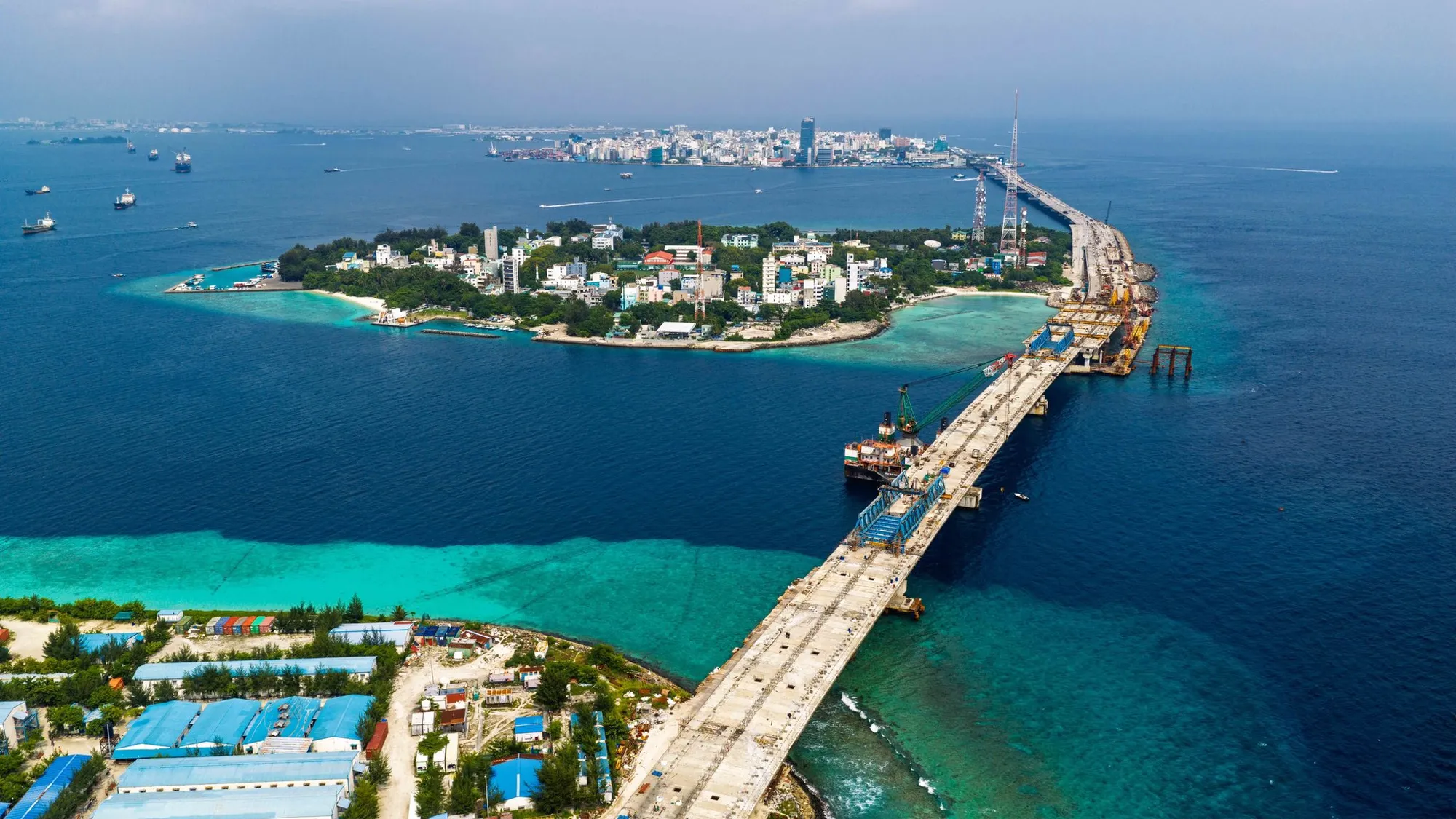
Economic losses are concentrated around Greater Malé, nearby resort areas and Addu, reflecting where people live and work.
However, the study cautions that smaller losses on outer islands do not necessarily indicate lower risks, as heat-related reductions in earnings can still have significant consequences for households in smaller local economies.
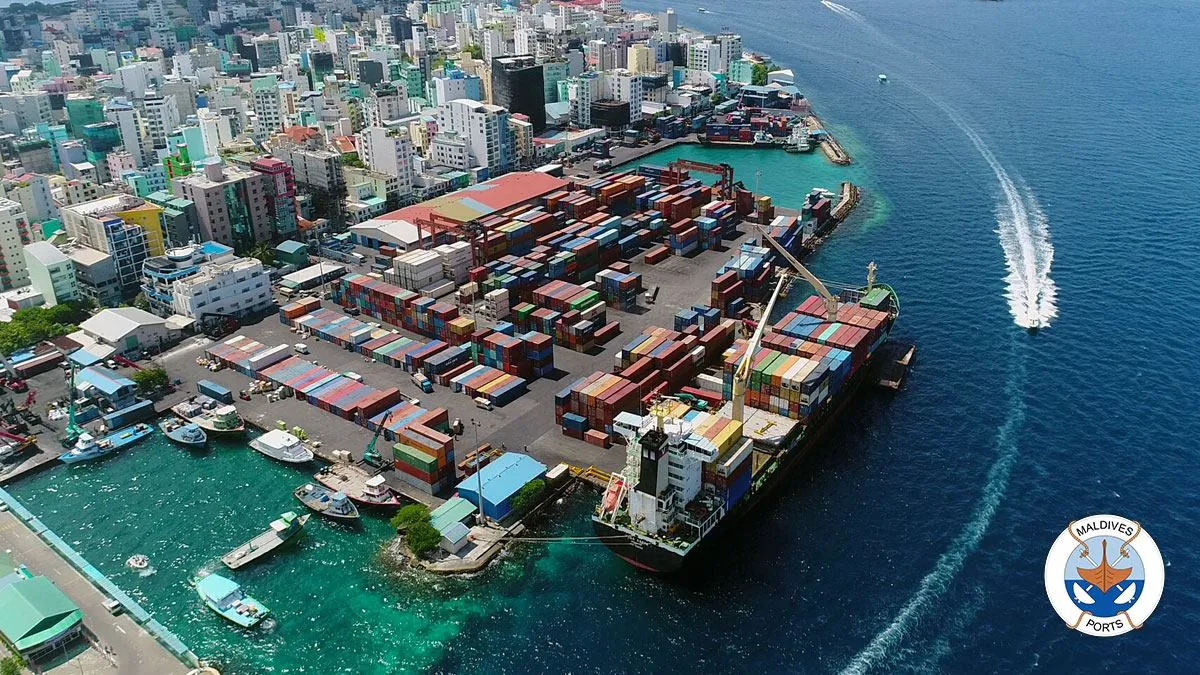
Construction workers, farmers and fishers face particular risks because physically demanding outdoor work combines internally generated body heat with exposure to hot and humid conditions. Workers in ports, airports, transport operations and poorly ventilated indoor workplaces are also vulnerable.
Stronger workplace protections recommended
The study recommends national heat-stress guidelines, stronger labour inspections and clearer workplace safety requirements to reduce exposure and protect productivity.
Proposed measures include reliable access to drinking water, shaded and ventilated rest areas, scheduled breaks, improved cooling and moving heavy tasks to cooler periods of the day. It also calls for training to help workers and employers recognise heat-related illness and respond promptly.
Workplace monitoring should account for more than air temperature, the study says.
It recommends using Wet-Bulb Globe Temperature, or WBGT, which incorporates humidity, wind and radiant heat to assess the heat load experienced by workers.
Women, migrant workers and those in informal employment require particular attention because limited access to protective measures, adequate facilities and social protection can increase their vulnerability.
The study recommends integrating heat-related risks into occupational safety policies and strengthening coordination between labour, health, environmental and local authorities.
The report estimates that the difference between the low-emissions and very high-emissions pathways could amount to approximately USD 216 million in avoided annual economic losses by 2060, highlighting the importance of global emissions reductions alongside domestic adaptation.
Commissioned by the ILO with support from the Climate Vulnerable Forum and the Vulnerable 20 Finance Ministers, the study forms part of a series examining the employment implications of heat stress in climate-vulnerable countries.
The authors caution that the projections are conditional estimates, not certain forecasts.
They rely on climate models, global datasets and assumptions about working conditions that may not fully capture local circumstances, and should be assessed alongside local evidence.
Leave a comment
Comments
No comments yet. Be the first to comment!