Bangladesh Bank has proposed three measures to make it easier for Bangladeshi workers in the Maldives to send money home, including arrangements involving Maldivian rufiyaa, travel-related payments and a bilateral currency swap.
Bangladesh Bank has proposed three measures to make it easier for Bangladeshi workers in the Maldives to send money home, including arrangements involving Maldivian rufiyaa, travel-related payments and a bilateral currency swap.
Bangladesh Bank Governor Md Mostaqur Rahman outlined the proposals in an October 8 letter to Maldives Monetary Authority (MMA) Governor Ahmed Munawar.
The letter highlighted continued difficulties faced by Bangladeshi workers in transferring their earnings despite efforts to strengthen formal foreign exchange channels in the Maldives.
The central bank called for cooperation between the two monetary authorities to establish safe, efficient and cost-effective ways for workers to remit their earnings through official banking channels.
Under the first proposal, Bangladesh Bank seeks to explore arrangements under the Asian Clearing Union (ACU) that would allow the use of Maldivian rufiyaa, with recipients in Bangladesh receiving the corresponding funds in taka through authorised dealer banks.
The second proposal would allow licensed banks and money transfer operators in the Maldives to make eligible travel-related payments in rufiyaa for Bangladeshi nationals visiting the country.
Authorised dealer banks in Bangladesh could issue taka-denominated cards, with transactions settled through an agreed regulatory mechanism.
The third proposal seeks to explore a bilateral currency swap arrangement to facilitate the transfer of Bangladeshi workers’ earnings from the Maldives.
Bangladesh Bank said the measures would require regulatory approval and compliance with the laws of both countries.
It also expressed readiness to hold discussions with the MMA through a joint delegation of central bank officials and representatives of the Bangladesh Mission in the Maldives to examine regulatory requirements, operational arrangements and settlement mechanisms.
Citing Bangladesh Bank data, remittances from the Maldives fell to approximately US$118 million in the 2025–26 fiscal year, from US$141.1 million in 2024–25—a decline of about 16.4 percent.
Bangladesh received a further US$38.05 million from the Maldives during the first three months of the current fiscal year.
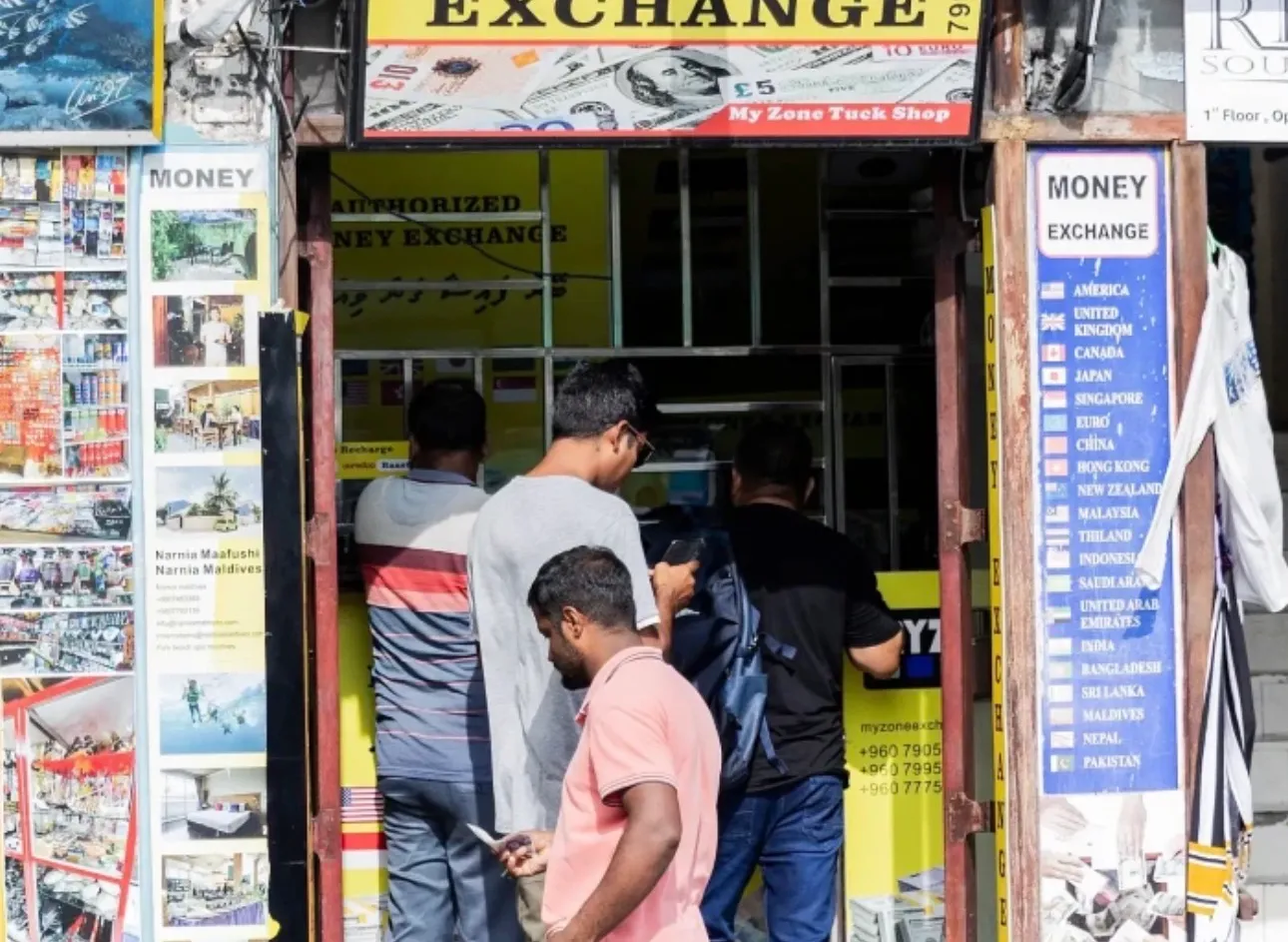
The report identified difficulties using rufiyaa for overseas transfers as a key obstacle, noting that banks and exchange houses are reluctant to accept the currency directly.
Workers consequently purchase US dollars before sending money home through formal channels.
Leave a comment
Comments
No comments yet. Be the first to comment!