
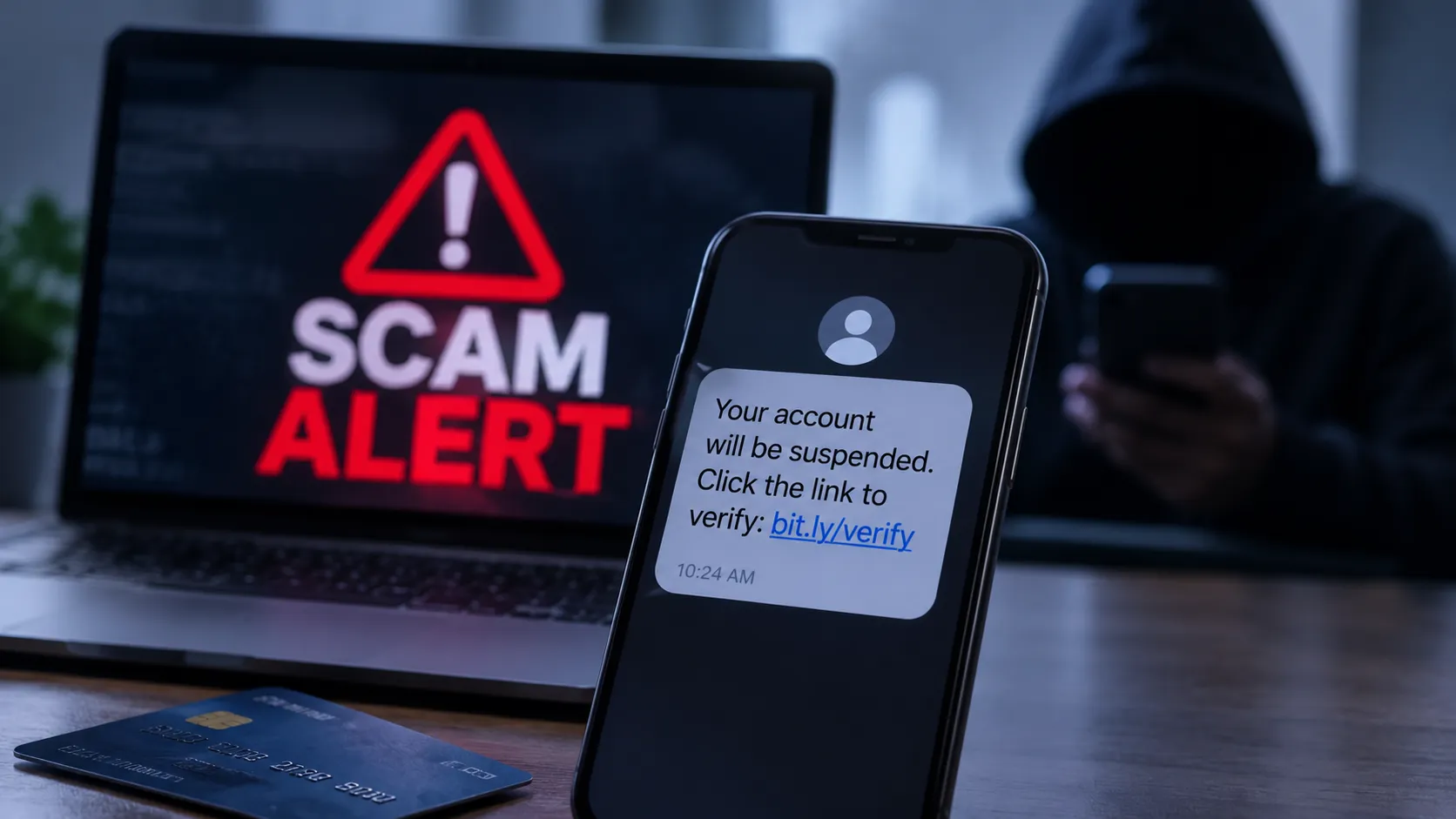
Scam cases reported to the Maldives Police Service's Anti-Scam Centre last week resulted in financial losses amounting to more than MVR 630,000 (approximately USD 40,893) , with authorities recovering approximately MVR 402,000 (approximately USD 26,113) so far.
According to statistics released by the Anti-Scam Centre, a total of 38 scam cases were reported between November 8 and 14, involving losses of MVR 630,573.34.
Police have recovered MVR 402,658.34 of the reported amount to date.
E-commerce scams accounted for the highest number of reports, with 13 cases, followed by nine cases involving unauthorised transactions and six related to booking cancellations and refund scams.
The remaining reports comprised five money exchange scams, four impersonation scams and one investment scam.
The centre said the scams were carried out through various channels, including online messaging platforms, iBay, TikTok, telephone calls, phishing links and Facebook Marketplace.
According to police, scammers have been booking rooms and subsequently requesting refunds, claiming that unexpected circumstances have prevented them from proceeding with their stays.
In some cases, they submit fraudulent payment slips and request refunds before the original payment has actually been credited to the accommodation provider's account.
Police noted that businesses have suffered losses after issuing refunds without first confirming receipt of the initial payment.
The Anti-Scam Centre has urged hotels and guesthouses to verify that payments have been successfully credited to their accounts before processing any refund requests.
Police have also recently warned of increasingly sophisticated scams involving the theft of OTPs and verification codes.
In an advisory issued on November 13, the Maldives Police Service said fraudsters were using phone calls and text messages to trick individuals into sharing verification codes, which could then be used to take control of their mobile numbers through e-SIM transfers and gain access to bank accounts and digital wallets.
Police have urged the public never to share OTPs, PINs or verification links with others.
Leave a comment
Comments
No comments yet. Be the first to comment!