The government’s bill to establish a legal framework for determining and enforcing death sentences has drawn support from both government and opposition MPs, with even members of the Maldivian Democratic Party (MDP) calling for executions to be carried out.
During the parliamentary debate, opposition lawmakers argued that successive administrations had failed to enforce death sentences because of a lack of political will, rather than an absence of laws or procedures.
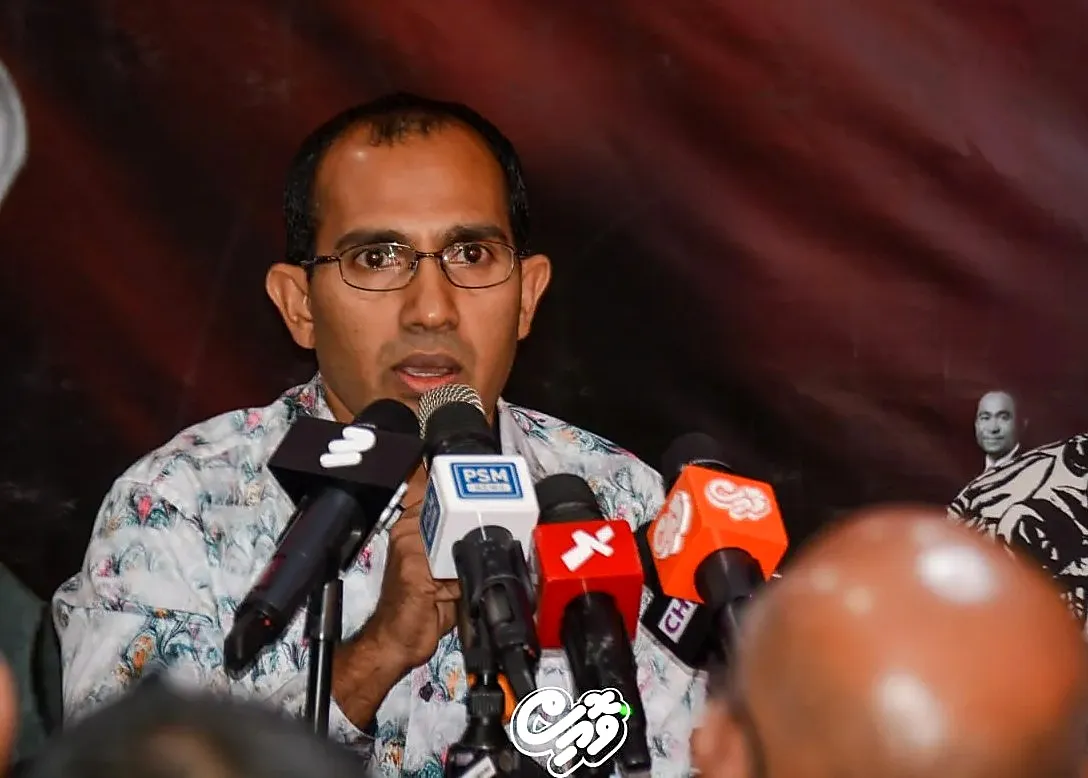
Galolhu North MP Mohamed Ibrahim, commonly known as Kudoo, described the death penalty as a punishment prescribed in Islam and voiced his support for its implementation.
The death penalty must be enforced. I believe from the bottom of my heart that it must be done
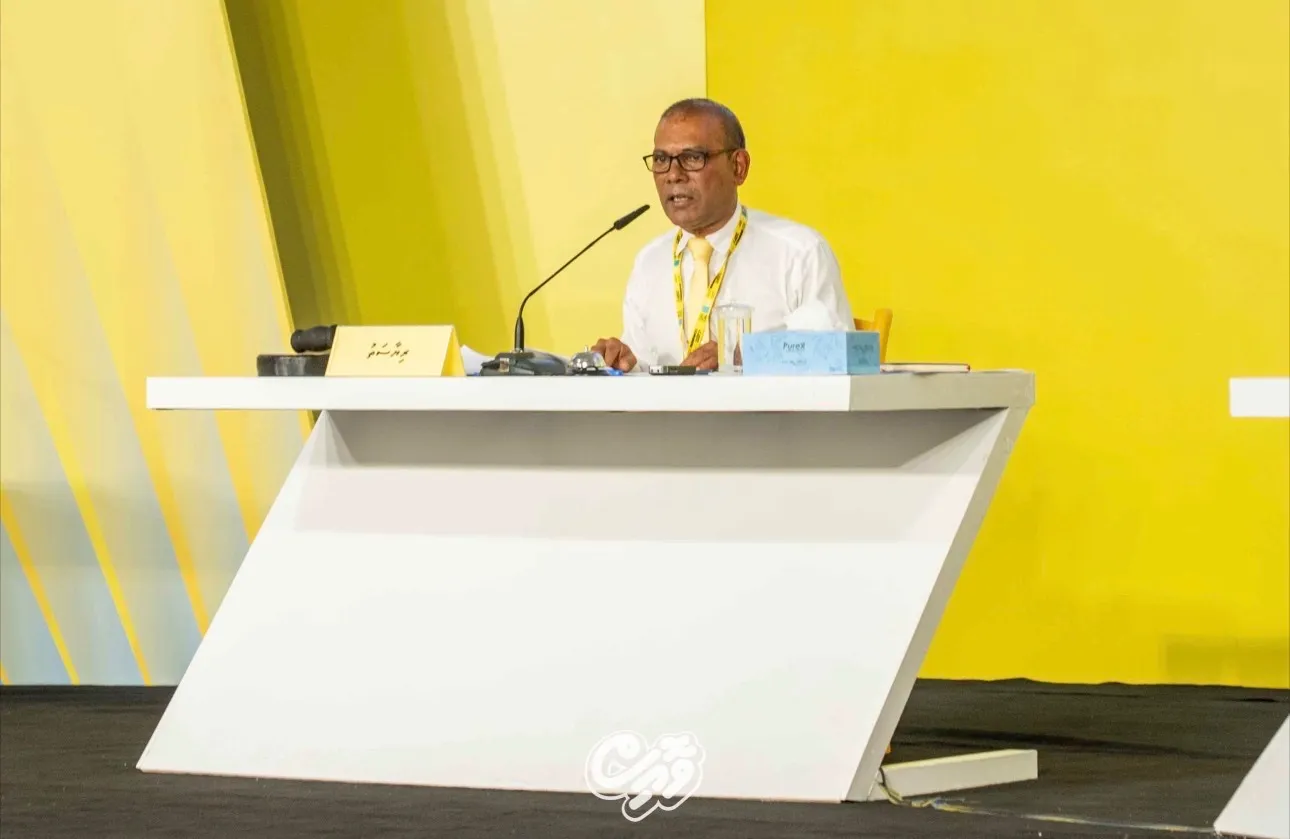
Kendhoo MP Mauroof Zakir said the Maldives had not carried out an execution since 1954, despite successive governments raising the issue.
He criticised the former MDP administration for failing to implement death sentences even after preparations had been made.
Mauroof argued that those entrusted with public office had a religious responsibility to uphold the Quran and Sunnah, saying previous administrations had lacked the resolve to act.
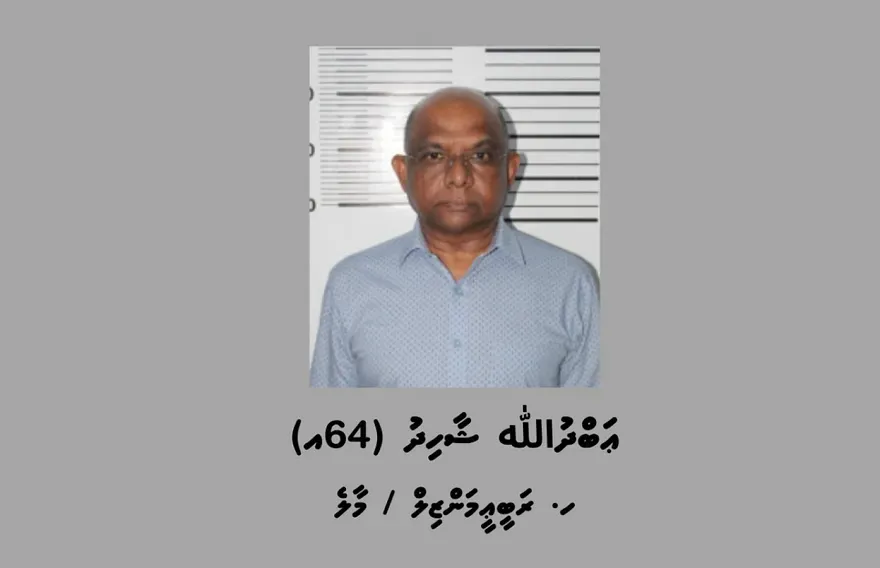
Lawmakers also raised the continued imprisonment of people whose death sentences had passed through all stages of the judicial process. Some MPs said prisoners awaiting execution had themselves requested that their sentences be carried out.
The debate comes as President Dr Mohamed Muizzu’s administration seeks to establish a dedicated statutory framework for implementing capital punishment.
President Dr. Muizzu announced on March 23, 2026, that the government would submit legislation to facilitate enforcement.
He said the administration would proceed with executions once the bill was passed and ratified, in cases where judicial proceedings had concluded and all legal requirements had been met.
Although the Maldives retains capital punishment in law, no execution has been carried out since 1954.
The current proposal therefore represents a move towards ending more than seven decades without executions.
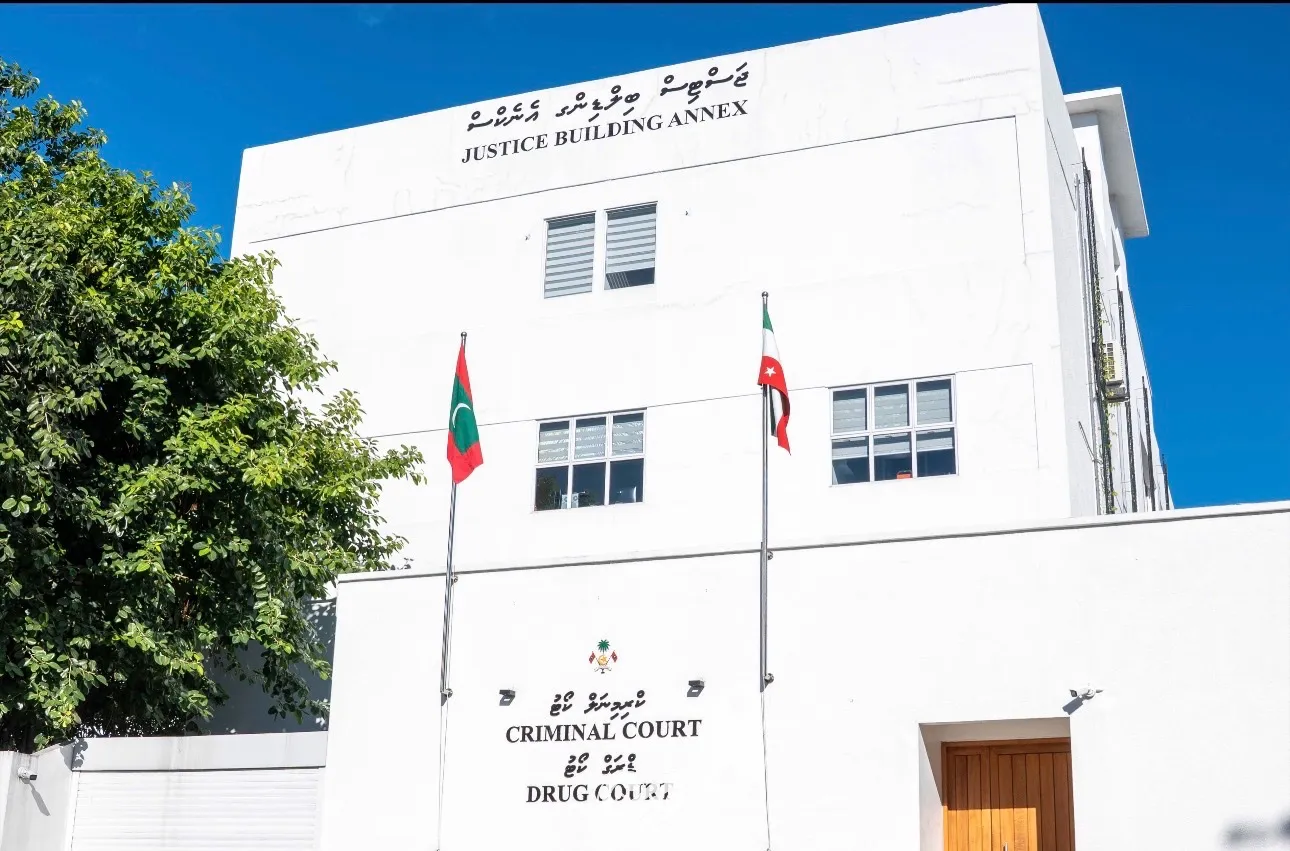
The push follows a separate expansion of capital punishment under the Third Amendment to the Drugs Act, ratified on December 6, 2025.
The amendment allows the death penalty in specified drug-importation cases involving quantities exceeding 350 grams of cannabis, 250 grams of diamorphine, or 100 grams of another Schedule 1 drug, subject to additional statutory conditions.
For death sentences imposed under those provisions, the law requires review by a superior court and unanimous agreement by the full Supreme Court bench before an execution can proceed.
It also excludes offences carrying life imprisonment or the death penalty from clemency and bars plea agreements for those offences.
The government’s plans have also faced opposition from rights organisations. In April 2026, a coalition of 10 Maldivian and international organisations called for the proposed enforcement bill to be withdrawn and the longstanding halt to executions maintained.
The groups also urged the repeal of provisions extending capital punishment to drug-related offences, arguing that the expansion runs counter to international human rights standards.
Leave a comment
Comments
No comments yet. Be the first to comment!