The Maldives aims to develop a comprehensive halal tourism framework over the next three to five years, looking to Malaysia’s expertise as it seeks to attract more Muslim travellers, encourage investment and create jobs for young people.
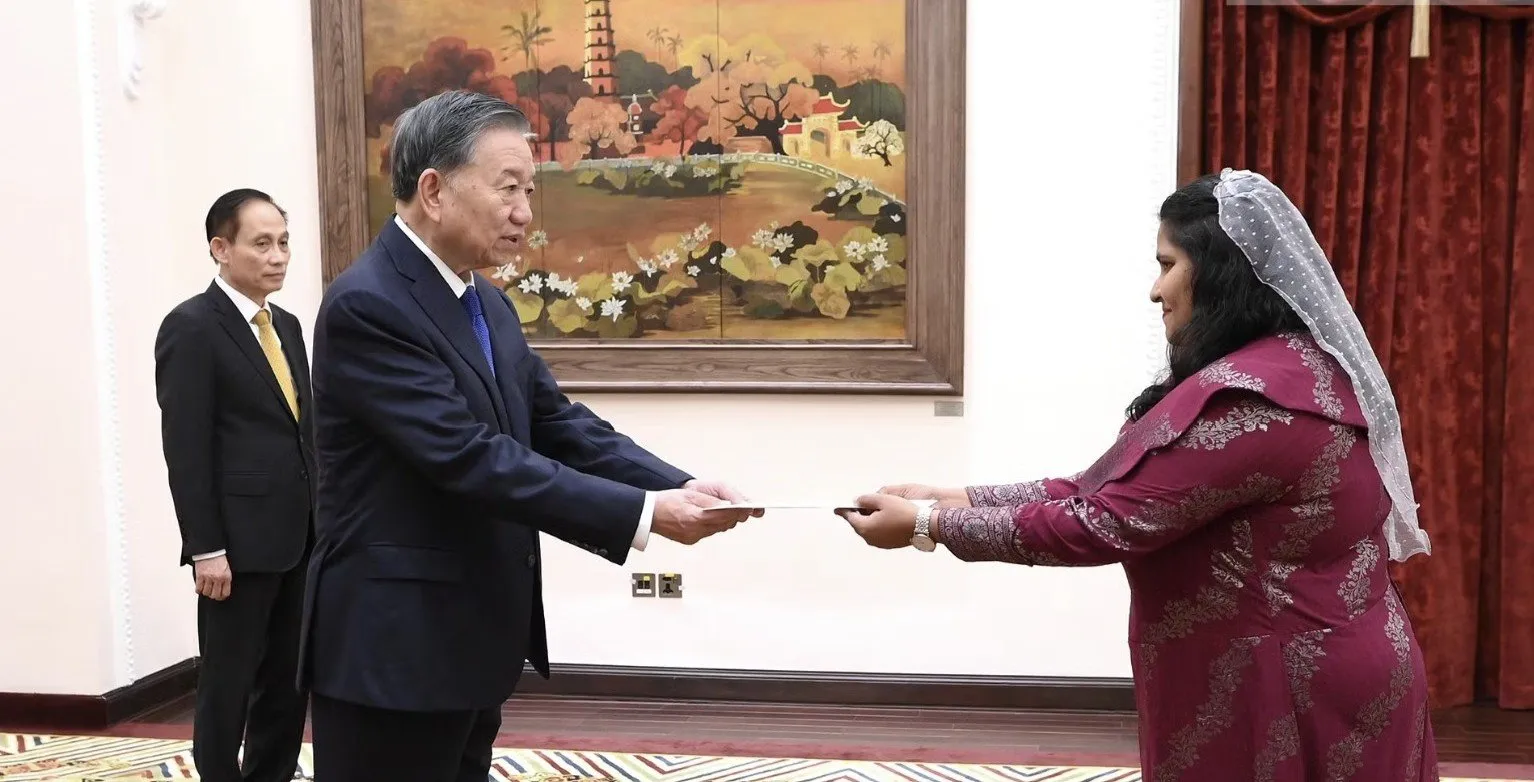
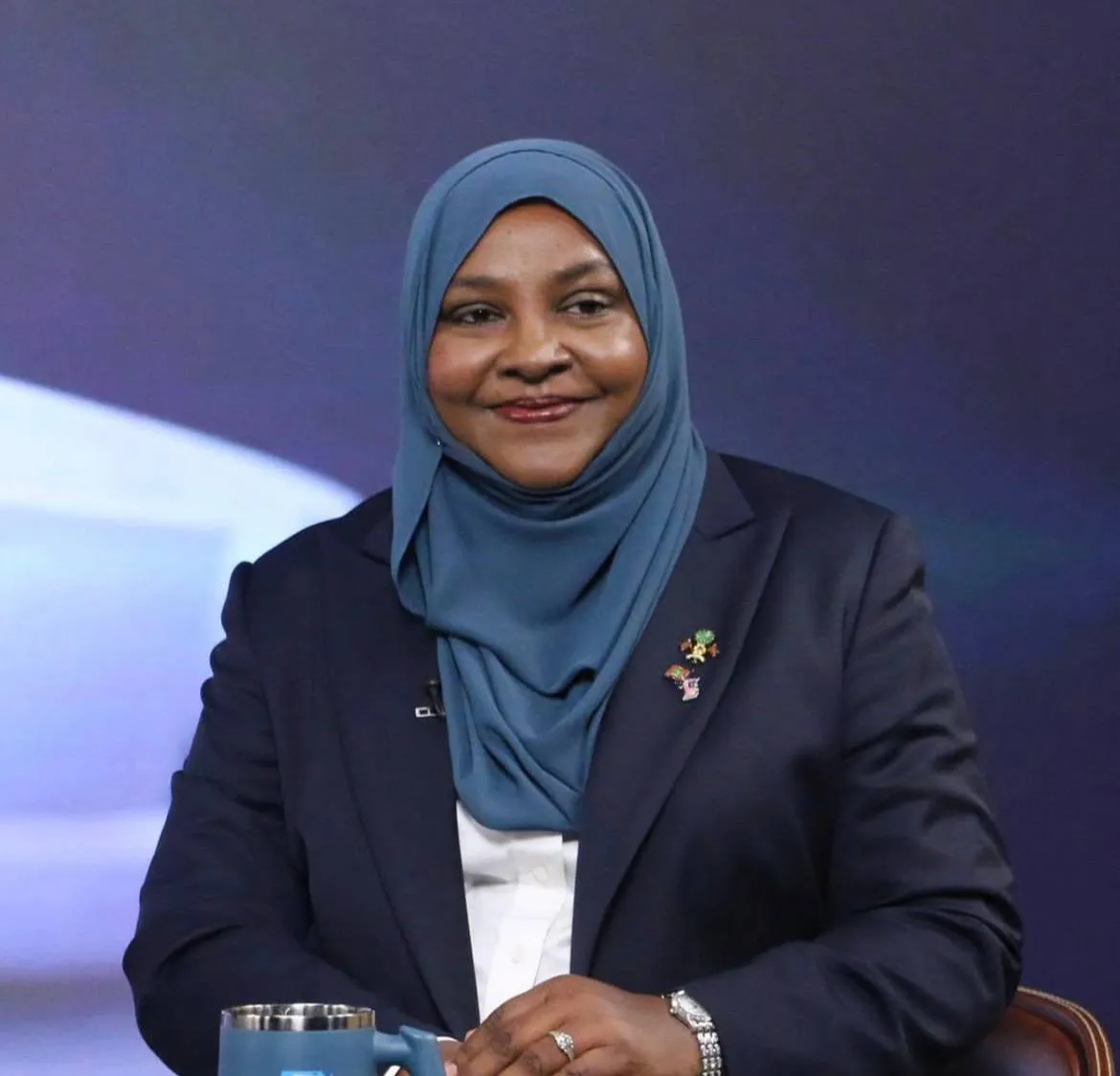
Maldives High Commissioner to Malaysia Dr Mariyam Shabeena Ahmed said establishing standards, regulations and certification processes would be central to the country’s ambitions to strengthen its position as a Muslim-friendly destination.
The effort is intended to diversify the Maldives’ tourism offerings, building on its established luxury market while giving travellers more options aligned with their religious beliefs.
When you talk about halal, it’s not just the food and prayer facilities we are talking about; it’s a whole ecosystem
during an interview on Bernama TV’s Bernama World programme earlier last week.
Malaysia’s experience in developing a comprehensive halal framework could offer valuable lessons, particularly as the Maldives works on its own hospitality standards, she said.
“We can learn a lot from Malaysia,” she said, identifying training, knowledge sharing, hospitality capacity-building and marine research as opportunities for cooperation.
Shabeena said a tourism cooperation memorandum of understanding signed during President Dr Mohamed Muizzu’s visit to Malaysia in 2025 identified Muslim-friendly tourism, ecotourism and community-based tourism as areas for collaboration.
She stressed that Islamic tourism was not a departure from the Maldives’ identity, but an evolution of a hospitality industry already rooted in the country’s Islamic culture and values.
President Dr. Muizzu announced in 2025 that a segment of Maldivian islands would be allocated for Islamic or halal tourism, she said, describing the move as part of a broader effort to diversify the sector.
The intention, she added, was to combine the country’s established luxury offerings with experiences that meet Muslim travellers’ needs, rather than require them to choose between comfort and religious observance.
We’re just adding on the Islamic, Muslim-friendly component into it so that the Muslim travellers do not have to compromise their quality, luxury travel or holiday with their religious belief
Local island tourism would play an important role in that development, offering visitors opportunities to experience Maldivian community life alongside beach holidays and marine excursions.
Shabeena said the country’s tourism industry began in 1972 with the island resort model, before opening to local island tourism in 2009, allowing communities to host guesthouses and offer excursions and holiday packages.
These settings give Muslim visitors access to mosques, daily prayers and halal food within local communities, she said.
Certification processes were now being developed in response to travellers’ expectations for more formal assurance.
She added that Muslim-friendly holiday packages were also available at luxury resorts, with travellers encouraged to check specific arrangements with their travel agents when choosing accommodation and activities.
For Malaysian visitors, Shabeena sought to challenge the perception that a Maldives holiday necessarily requires a luxury budget.
Local guesthouses, she said, had widened access to the destination, offering more affordable ways to enjoy beaches, fishing trips, barbecues and marine excursions.
It depends on which stage of life and the budget that you have, we can always offer something which is going to match your budget and your stages of life
Beyond visitor numbers, Shabeena linked the Muslim-friendly tourism push to wider economic opportunities, including investment, youth employment and greater participation by island communities.
She said directing tourism spending towards local islands could contribute to community development and support the sector’s long-term sustainability.
Environmental protection remained inseparable from that ambition, she added.
An environmental microbiologist by training, Shabeena described climate change as the Maldives’ biggest threat, with both tourism and fisheries dependent on the health of its natural environment.
Changes in ocean biodiversity and island erosion could affect the country’s tourism industry, she said, highlighting the importance of international cooperation on climate research and renewable energy.
Shabeena also identified Islamic finance, food security and education as potential areas for deeper engagement with Malaysia, alongside tourism and hospitality.
Looking ahead, she said the Maldives wanted to offer visitors a fuller experience of the country, one that extends beyond its familiar image of private islands and luxury resorts to include its Islamic heritage, culture and architecture.
It’s not just a place to visit; it’s a place to enjoy and return
Leave a comment
Comments
No comments yet. Be the first to comment!