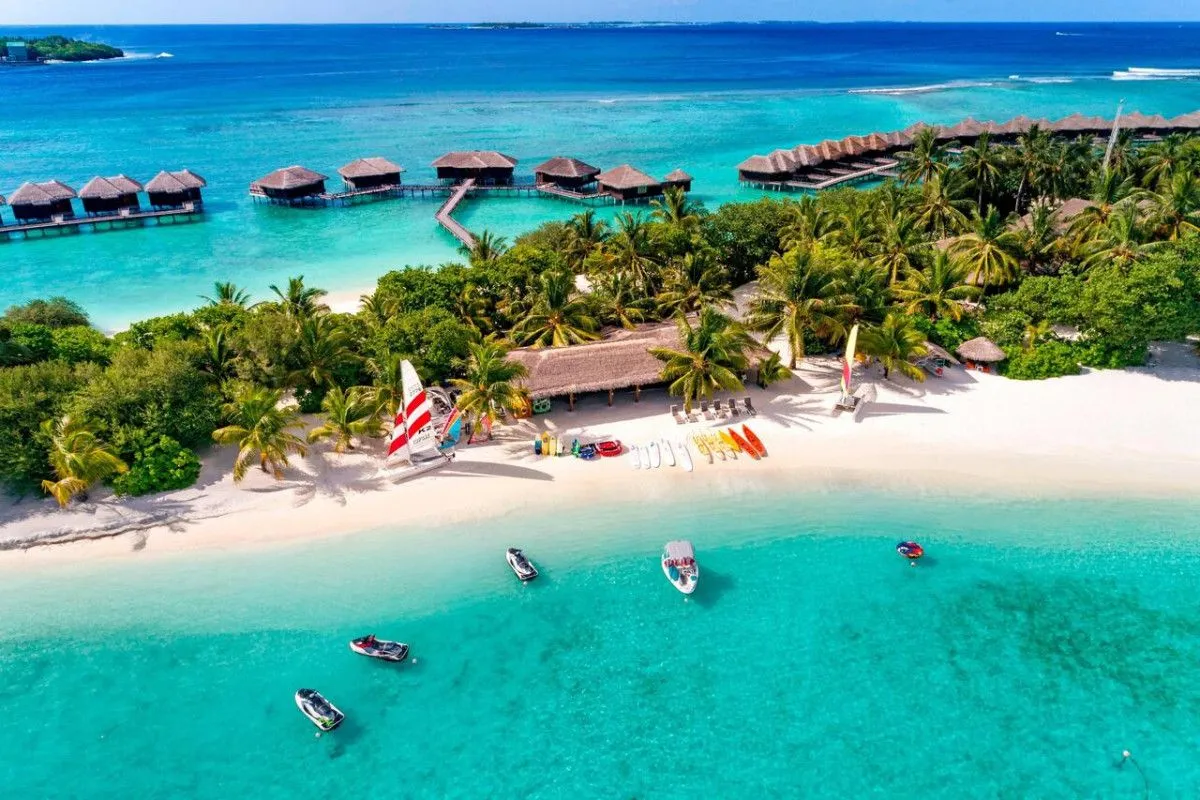
The Ministry of Tourism has introduced new mandatory safety requirements for businesses providing water sports, sea-based activities and excursion services to tourists, including compulsory life jackets for certain activities, minimum guide-to-tourist ratios and emergency response plans.
The new Regulation on Providing Water Sports, Various Water-Based Sports and Excursion Services to Tourists, which comes into effect today, requires service providers to establish comprehensive safety procedures and ensure the protection of tourists participating in such activities.
Under the regulation, all service providers must prepare emergency response plans covering incidents involving missing persons, drowning, injuries, deteriorating weather conditions and vessel emergencies.
The plans must also include relevant emergency contact numbers and details of the nearest hospital or health centre.
They must be displayed on vessels used for water sports and provided to the Ministry upon request.
The regulation also establishes minimum guide-to-tourist ratios depending on the activity and participants' swimming abilities.
Sea-based activities involving tourists who can swim must have at least one guide for every 10 participants, while non-swimmers must have one guide for every two participants.
For motorised water sports, including jet skiing, at least one instructor must be present for every four tourists, while wakeboarding and water skiing require one instructor for every six participants.
Excursions involving between six and 10 tourists must have at least two instructors.
Service providers must also assess participants' swimming abilities in shallow water before activities involving entry into the sea, such as snorkelling excursions.
Life jackets will be compulsory for participants in motorised water sports, specified non-motorised activities and all excursions conducted at sea or in lagoons.
Non-swimmers joining excursions to islands or sandbanks must also wear life jackets while aboard vessels and when entering the water.
The new rules further require operators to monitor weather conditions and suspend activities whenever conditions are considered unsafe.
A colour-coded flag system must also be introduced, with green indicating safe conditions, yellow warning of potential hazards, red prohibiting sea-based activities and purple warning of dangerous marine life.
Additionally, service providers must ensure water sports equipment meets international safety standards and that instructors have access to functioning communication devices.
Safety buoys and facilities such as inflatable buoys or platforms at designated snorkelling areas must also be installed within 12 months of the regulation's publication in the Government Gazette.
The regulation also requires all centres providing water sports, other water-based activities and excursion services to tourists to be registered with the Tourism Ministry.
It further requires operators to designate specific areas for conducting these activities and provide tourists with complete information before participation.
Leave a comment
Comments
No comments yet. Be the first to comment!