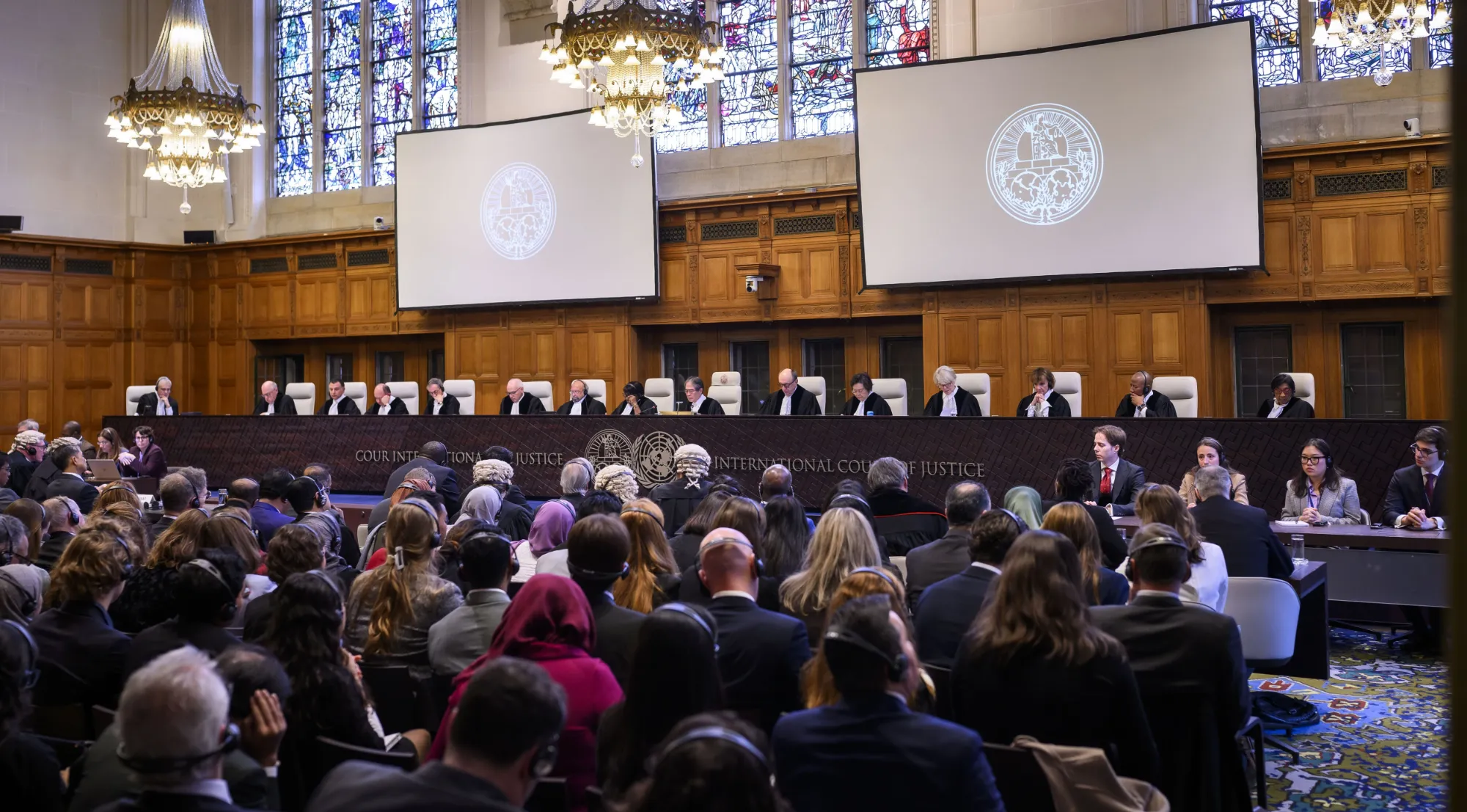
The International Court of Justice (ICJ) has endorsed key legal arguments advanced by the Maldives in its ruling finding Myanmar responsible for genocide against the Rohingya, the Attorney General’s Office said on Sunday.
The judgment, delivered on November 19 in The Gambia v. Myanmar, reflected the Maldives’ submissions on countries’ obligations to investigate genocide, prosecute perpetrators and ensure that trials meet international standards, the office said in a statement.
The Maldives intervened in this case to advance justice and accountability for genocide victims, We welcome the Court’s recognition that the Rohingya are entitled to justice, and that Myanmar must now investigate, prosecute and punish those responsible, including those in leadership positions.
According to the statement, the Court found that Myanmar’s security forces killed “thousands of Rohingya civilians”, committed widespread sexual violence and perpetrated “acts of extreme violence” against children in northern Rakhine State.
It also found that Myanmar had failed to prevent and punish genocide.
The Court ordered Myanmar to investigate those reasonably suspected of involvement in the military’s 2017 “clearance operations” and prosecute and punish those responsible.
It also directed Myanmar to compensate the Rohingya for the damage caused and allow the safe return of people displaced by its wrongful acts, the office said.
The Maldives’ intervention focused on the duty to punish genocide under the Genocide Convention, including the obligation to investigate and prosecute suspects before an independent and impartial tribunal.
The Attorney General’s Office said the Court’s judgment reflected several central elements of those submissions.
These included the position that a state must investigate as soon as there are reasonable grounds to believe genocide has occurred within its territory.
Such investigations must be prompt, effective, thorough, independent, impartial and carried out in good faith.
The Court also agreed that proceedings under the Convention must include fair-trial guarantees, and that penalties must be “proportionate to the gravity of the crime of genocide and sufficient to prevent such acts in the future”, the statement said.
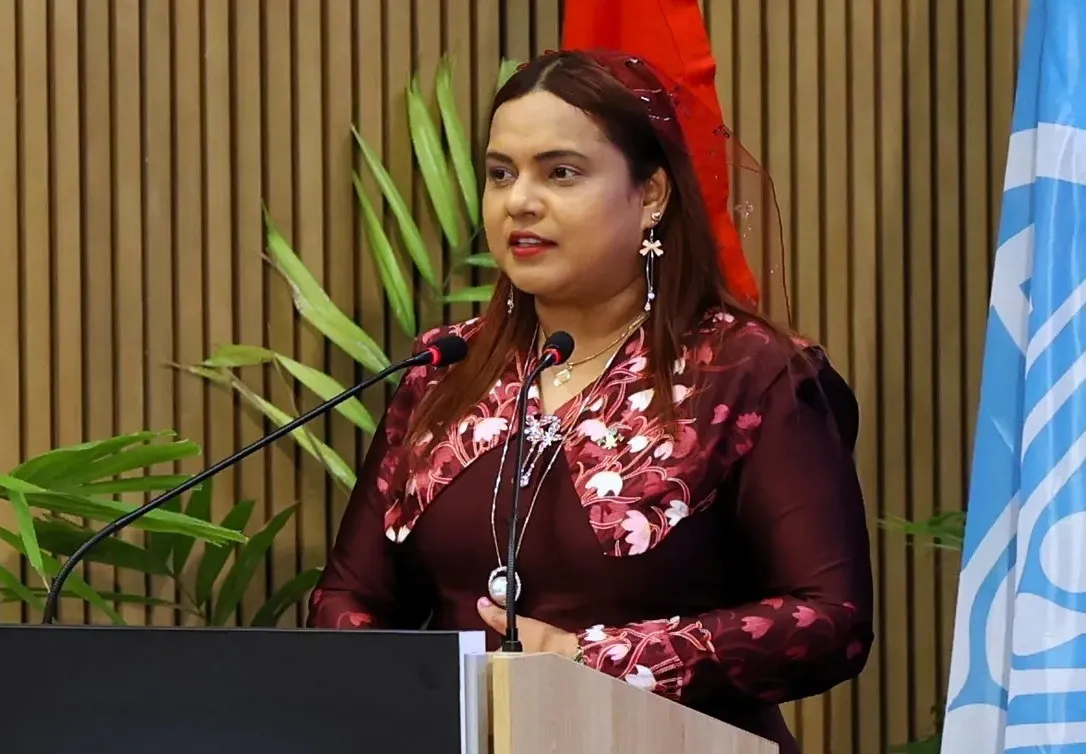
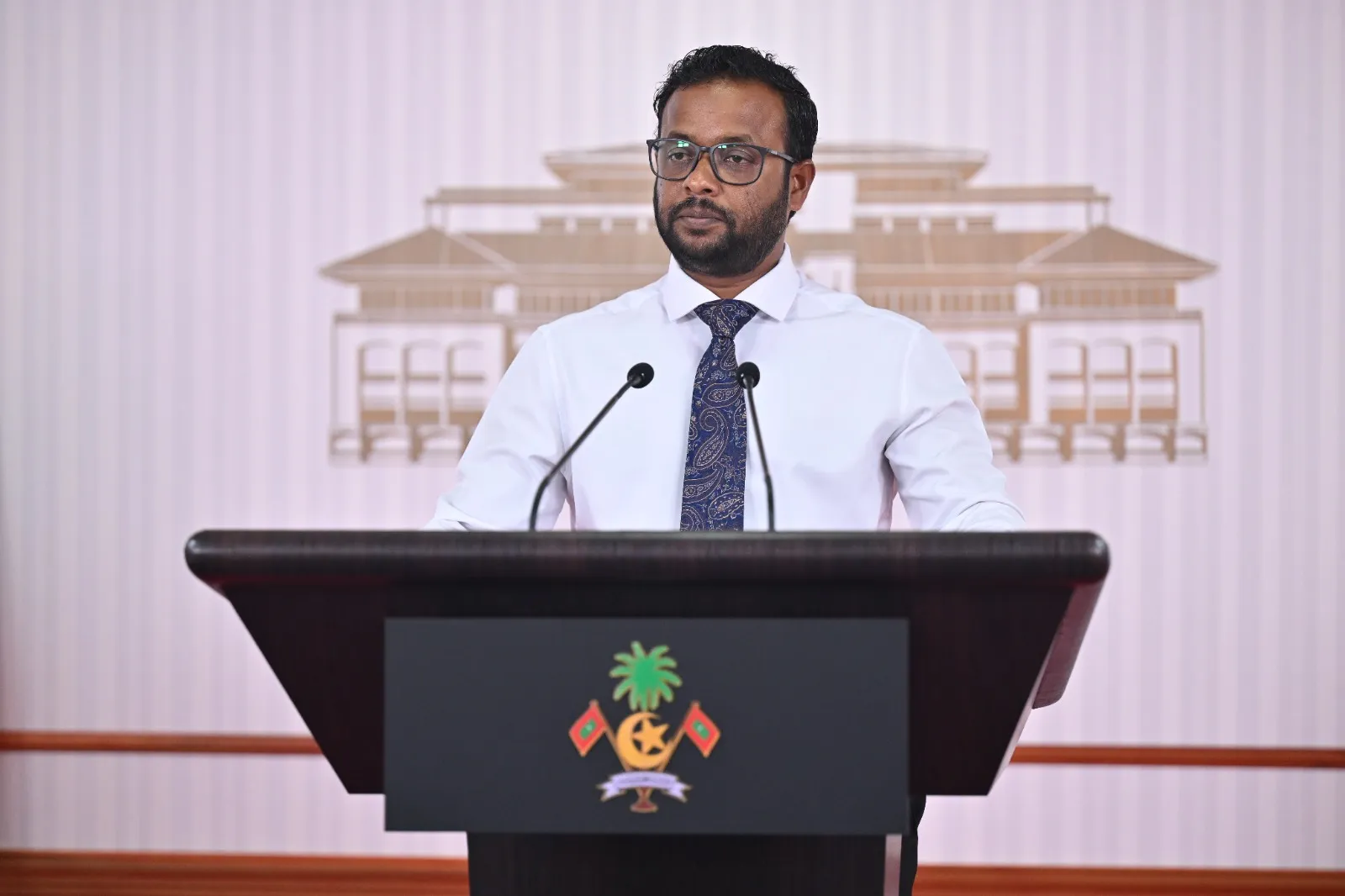
The Maldives was represented by Usham as its agent, with Amal Clooney and Philippa Webb KC serving as counsel.
According to the office, the Maldives was the first state to announce that it would intervene in the proceedings as a party to the Genocide Convention.
In a joint comment included in the statement, Clooney and Webb described the ruling as a long-awaited development for victims.
The Gambia brought the case on November 11, 2019, alleging that Myanmar had violated the Genocide Convention.
It sought an end to the alleged violations, reparations for Rohingya victims and guarantees that the acts would not be repeated.
In January 2020, the Court issued provisional measures requiring Myanmar to take all measures within its power to prevent genocidal acts against the Rohingya, preserve evidence and submit regular reports on its compliance.
Those were interim protections pending a final decision in the case.
Myanmar challenged the Court’s jurisdiction and the admissibility of The Gambia’s application, but the Court rejected its preliminary objections in July 2022, allowing the proceedings to continue.
The Maldives formally filed its declaration of intervention in November 2023.
In July 2024, the Court admitted its intervention alongside those of six other countries, enabling them to present their interpretations of the Convention.
Leave a comment
Comments
No comments yet. Be the first to comment!